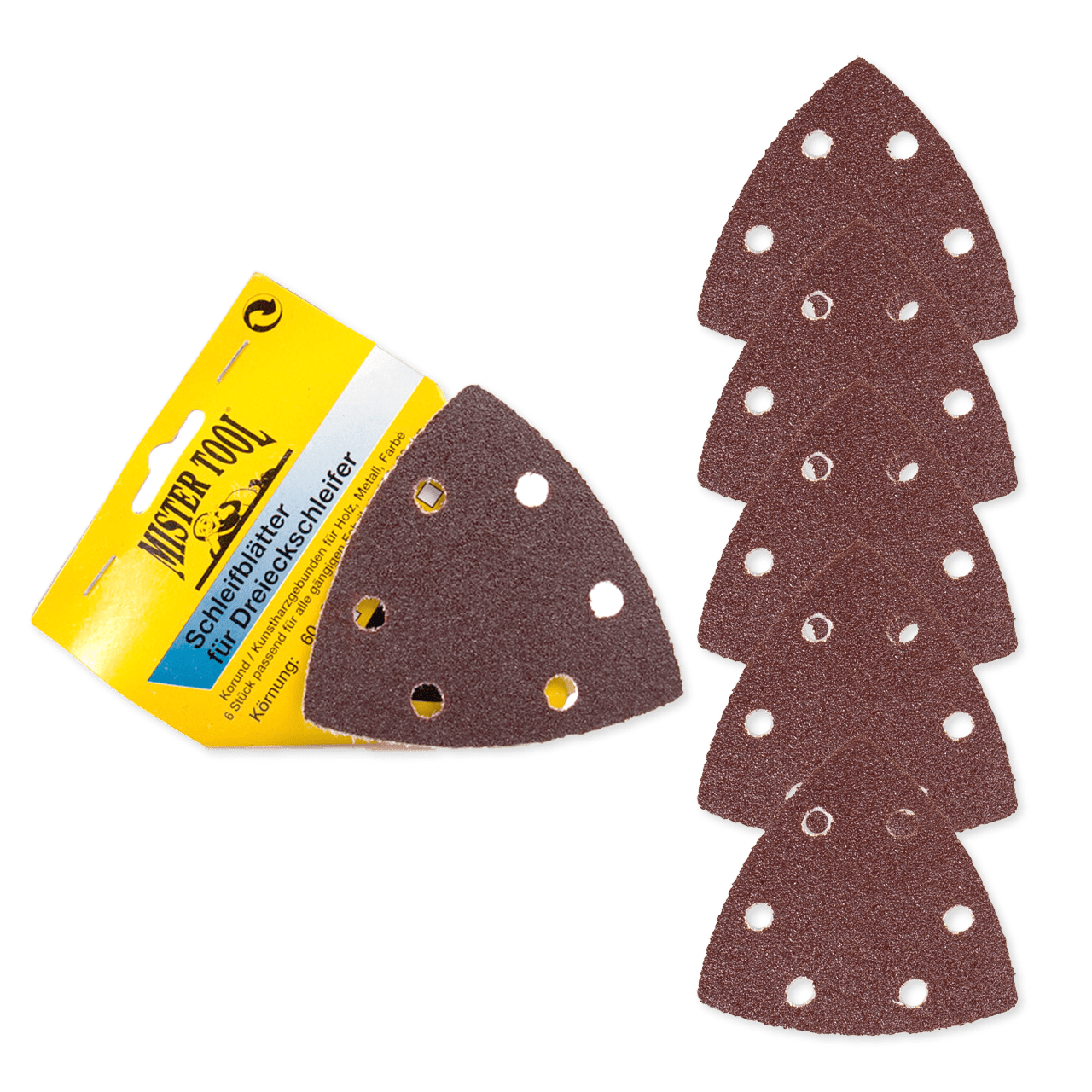
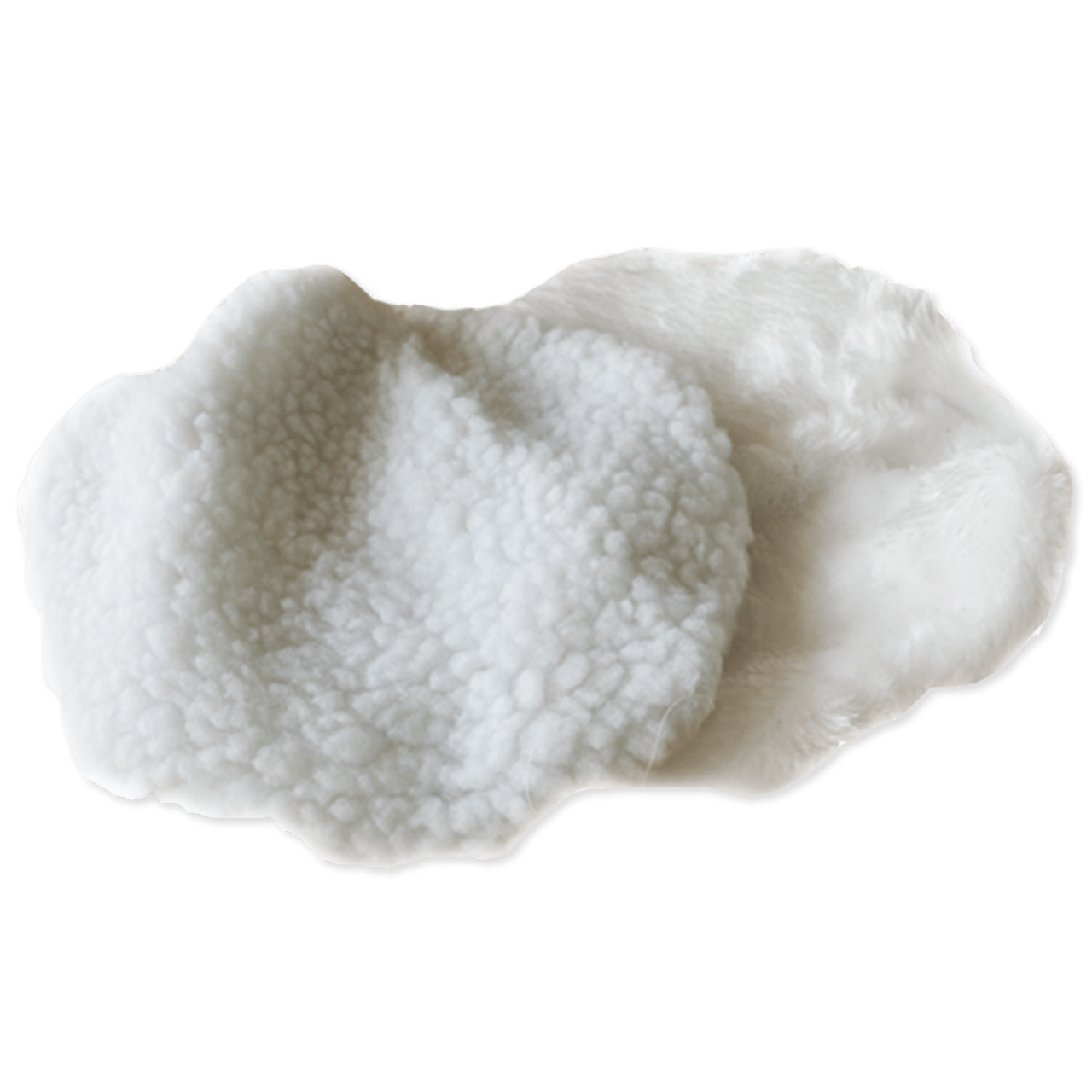
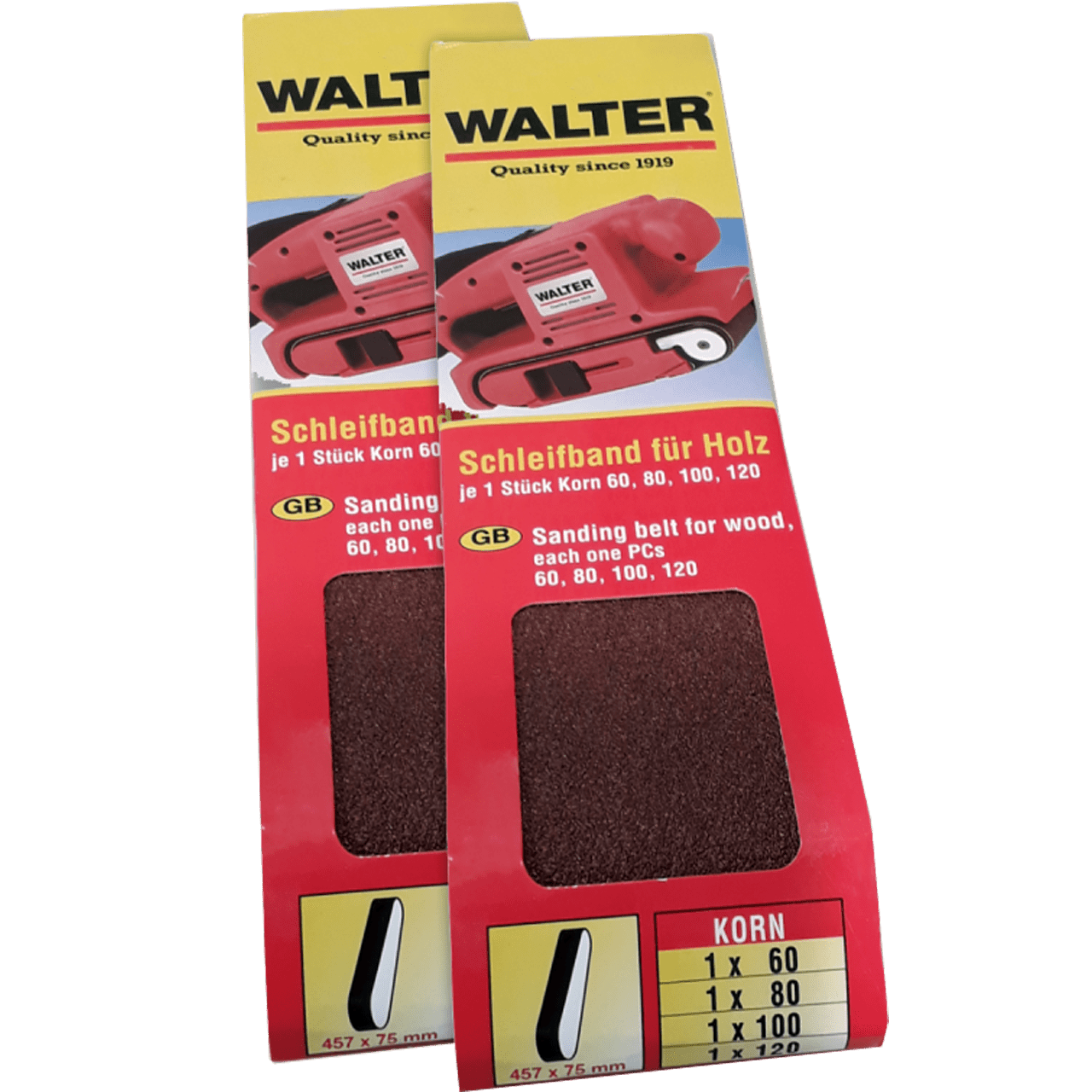
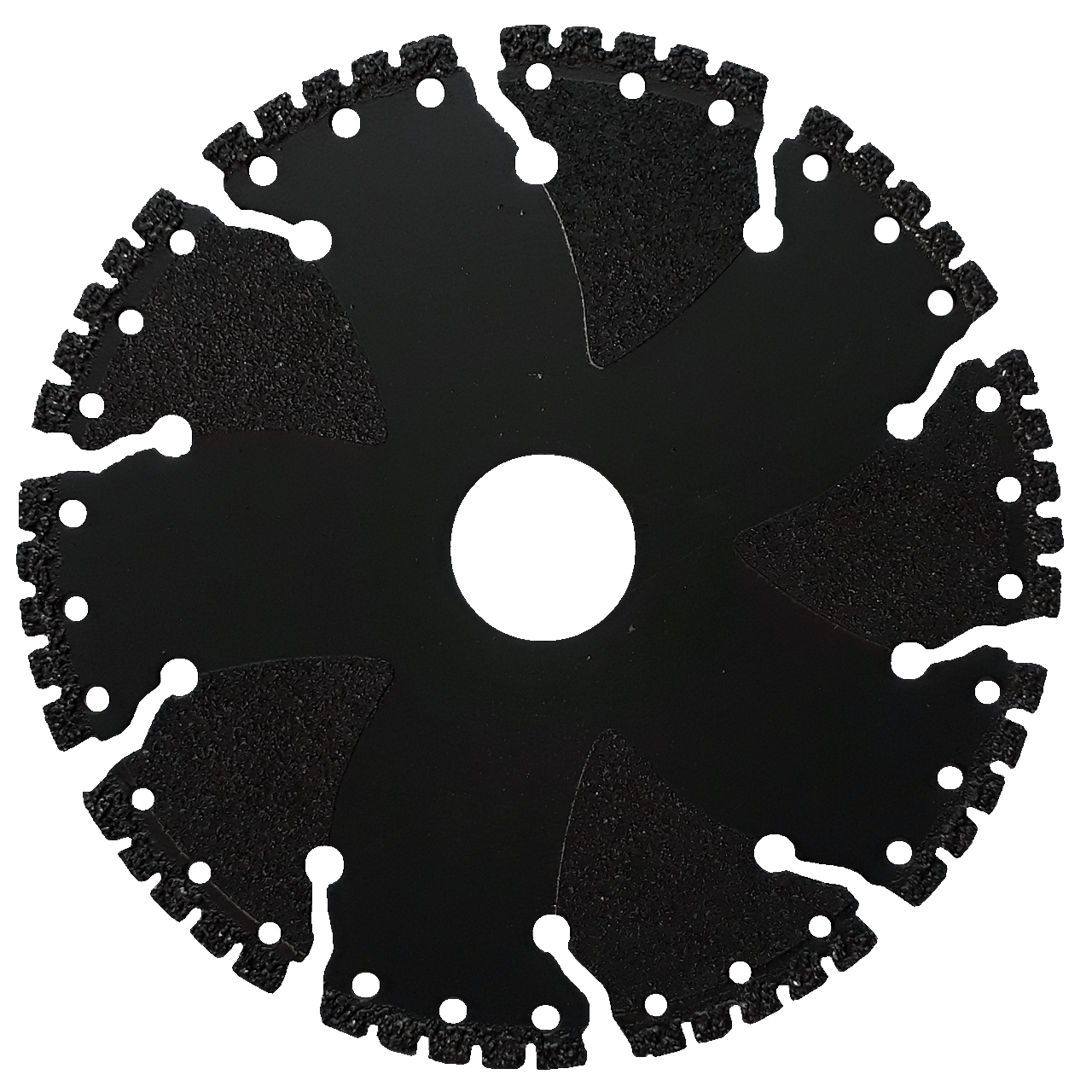
Choosing the right sandpaper is crucial for the final result of your project. There are many different grits, sizes, and shapes available. The individual product descriptions will help you determine which type is right for you. Browse our online shop and order today!
sandpaper or emery paper
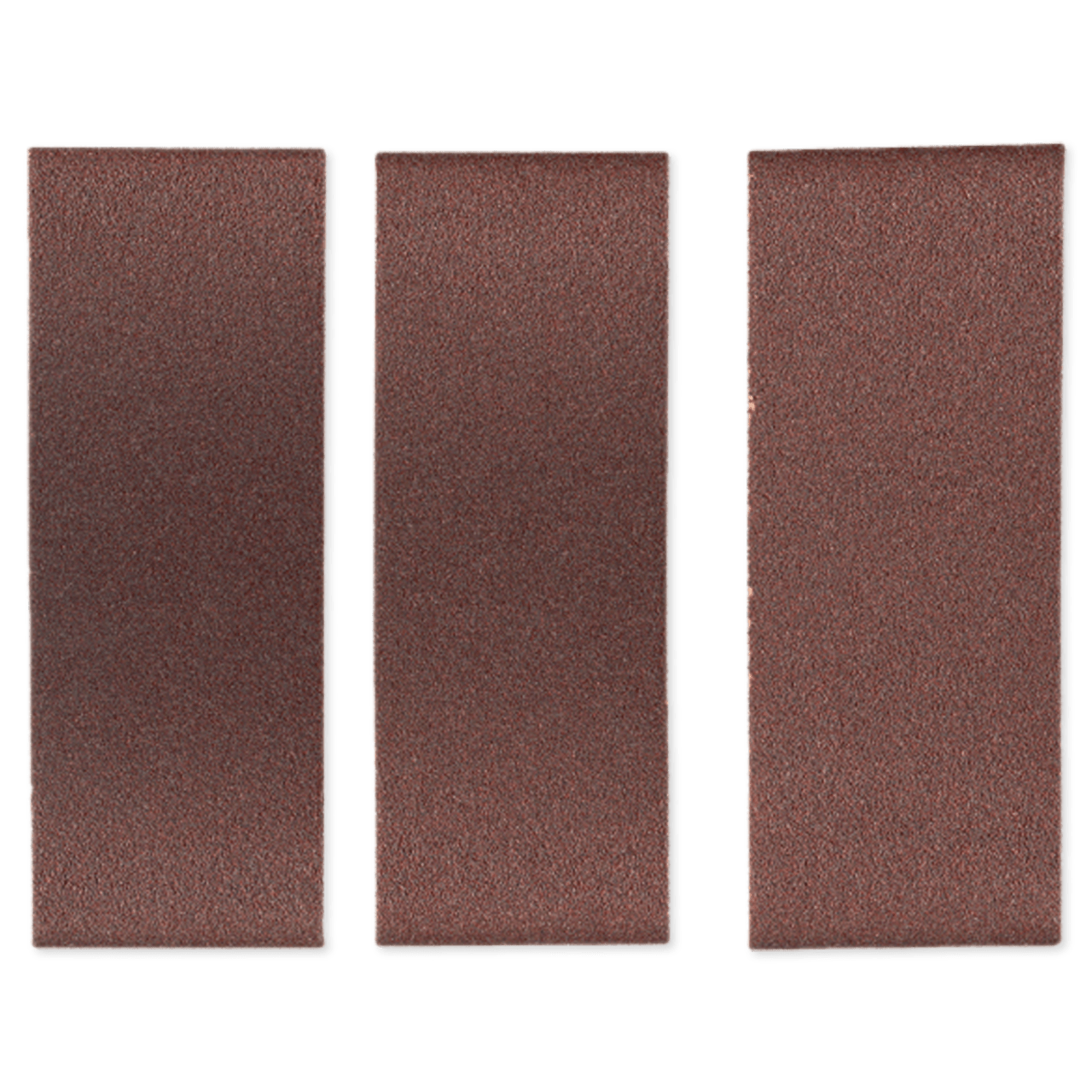
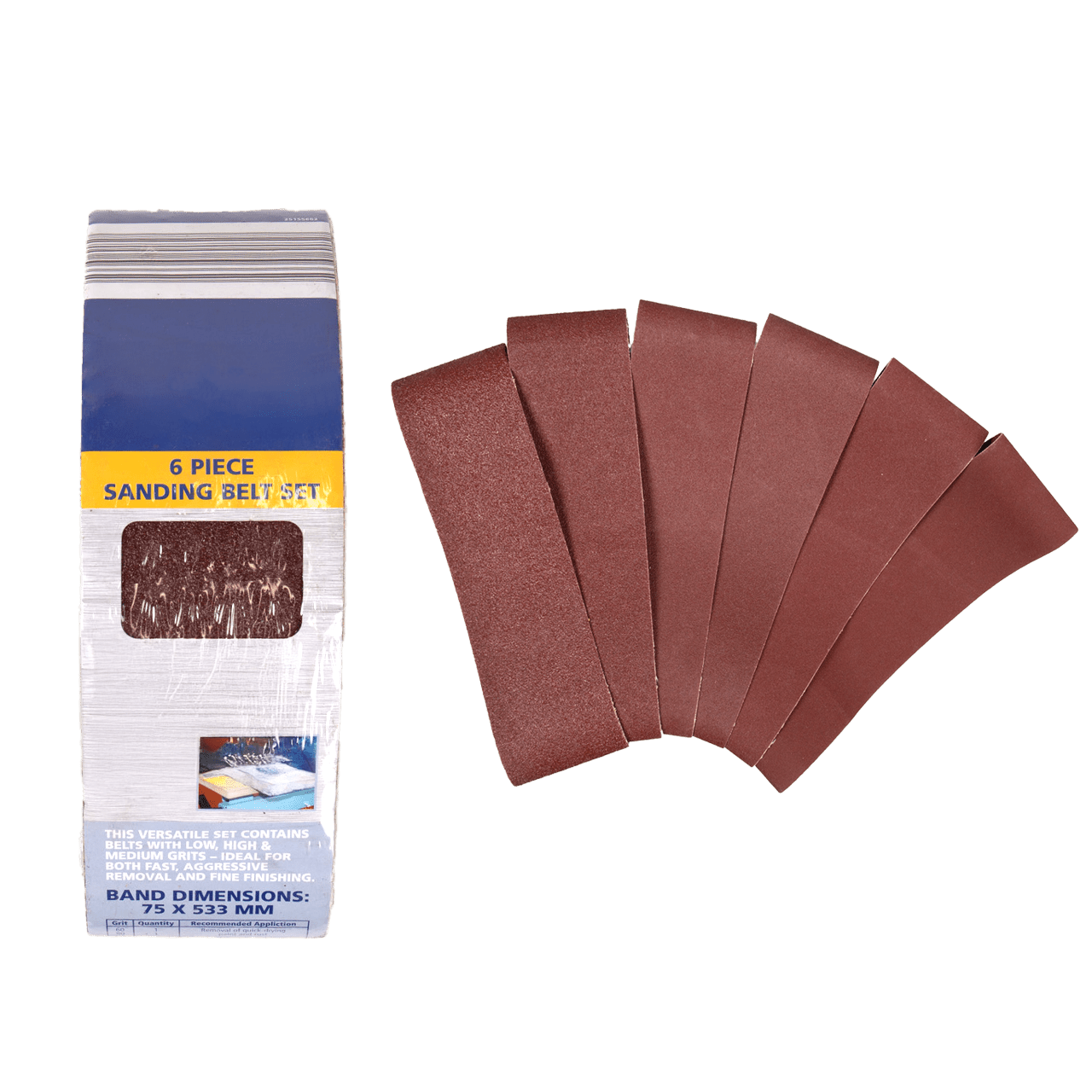
Sandpaper is one of the most important tools for the DIY enthusiast and is used for removing material from surfaces and breaking edges. It consists of
Artificially produced grains, which can also be used for wet sanding. Furthermore, not only wood, but also natural and artificial stone, metals, or varnishes can be worked with sandpaper. Using sandpaper requires clean working conditions. The sanding dust should be tapped out regularly to ensure the sanding process achieves the desired result. If too little material is removed, the sandpaper must be changed.
Tip: When using paper with a low grain size, a delicate touch is required – do not apply too much pressure to avoid damage.
Grit sizes of sandpaper
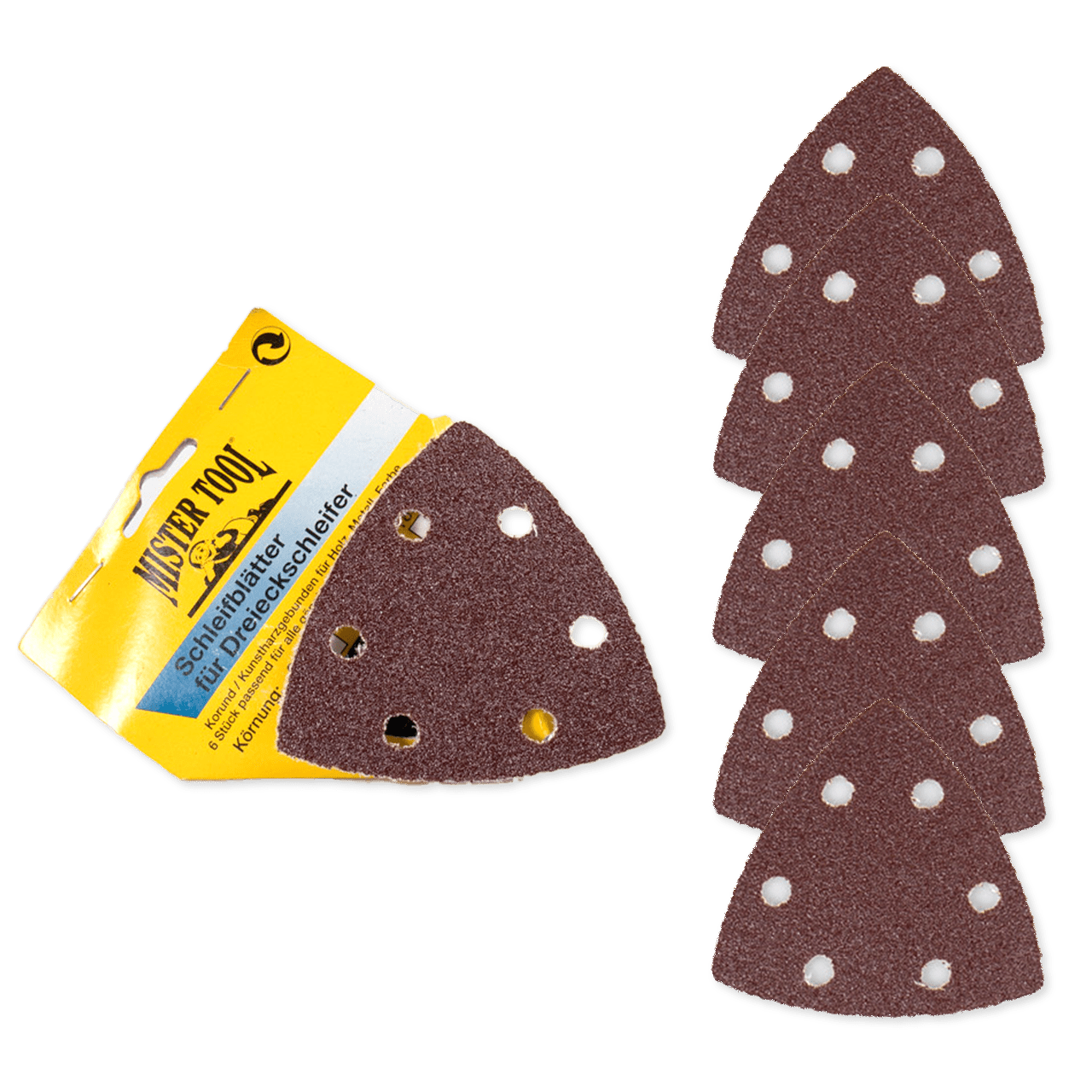
The grit and application are crucial. It's important to know that the back of the sandpaper has letter-number combinations indicating the hardness of the abrasive grain. The letters A to K represent softer grits, L to O medium grits, and P to Z hard grits. The number following the letter indicates the grit size. The higher the number, the finer the grit.
When to use coarse grit?
Coarse sandpaper is used for the initial sanding of a wooden surface (grit between 40 and 120). It can also be used to remove imperfections such as scratches and to smooth the surface. A coarse grit is also helpful for renovation work, such as removing wallpaper from walls and ceilings, as it removes a lot of material and results in a rough surface.
When to use medium grit?
Medium-grit sandpaper (between 159 and 180 grit) is used for refinement after the initial coarse sanding. Wooden pieces can be varnished after this sanding process. This grit is also helpful for removing varnish residue or for the initial sanding of metals.
When to use fine grit?
When using fine-grit paper (grit between 220 and 360), the surface is so smooth that, for example, wood can be oiled or waxed directly. For treating metallic surfaces and varnishes, the grit can be up to 4000 or higher. It can also be used for polishing.
Grinding wheels
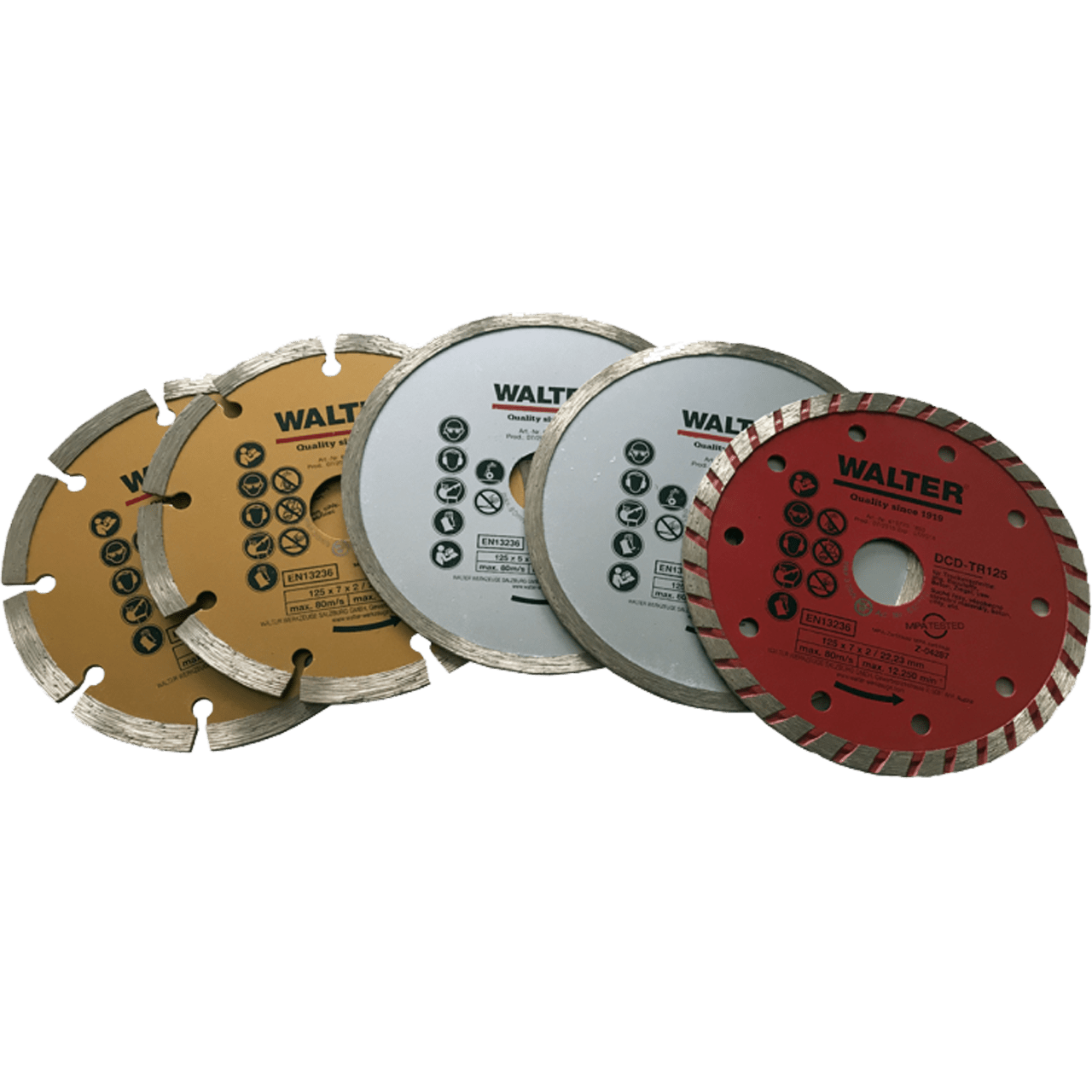
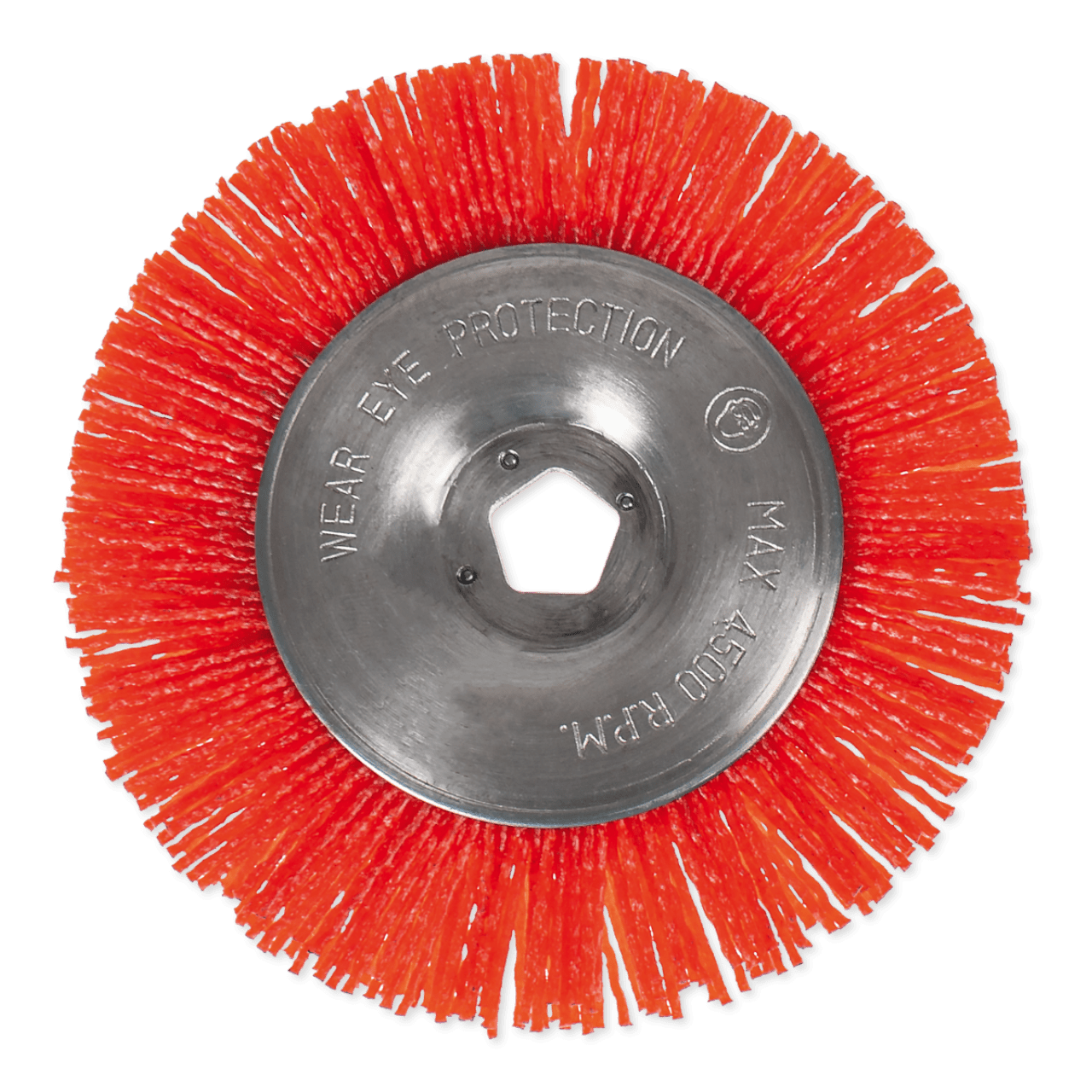
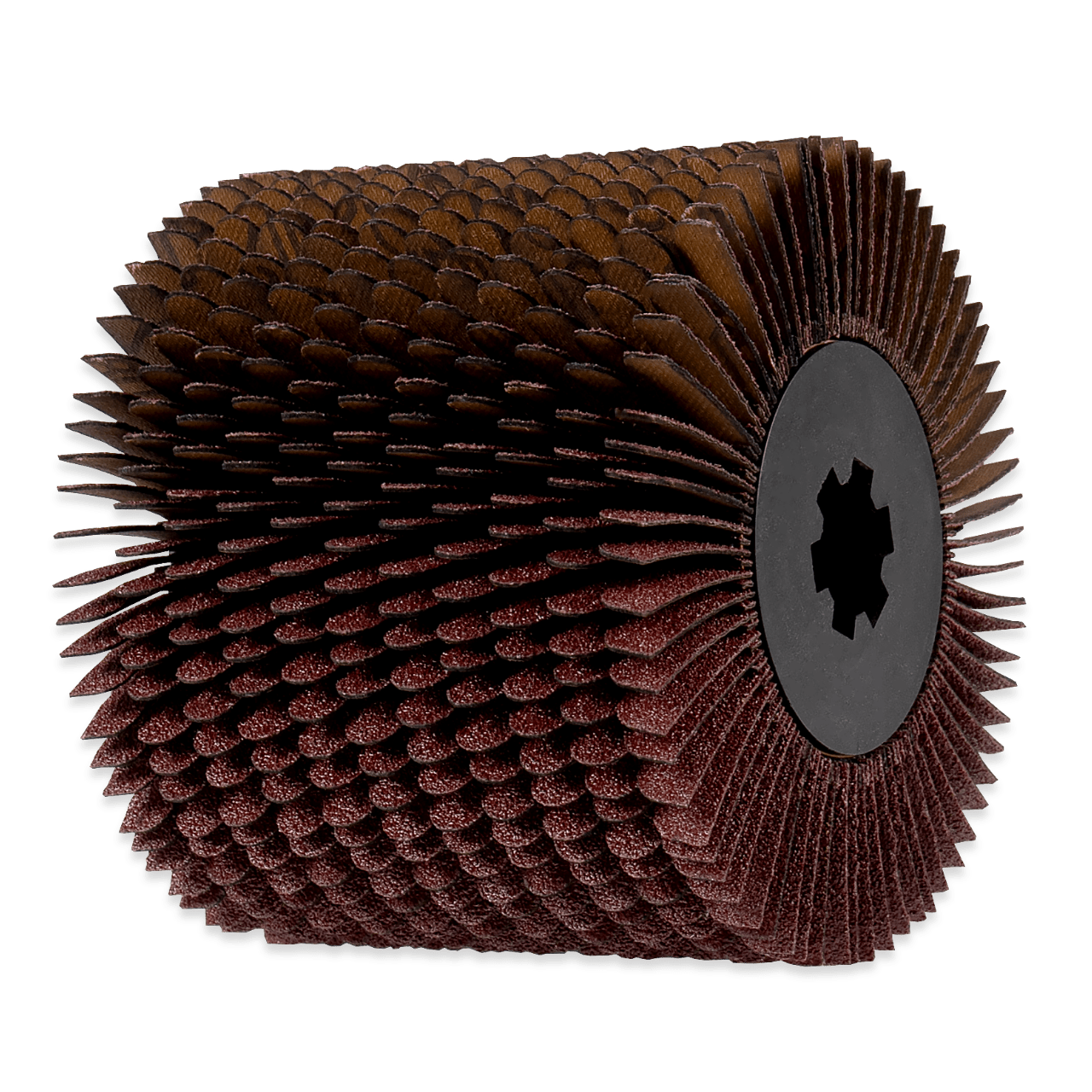
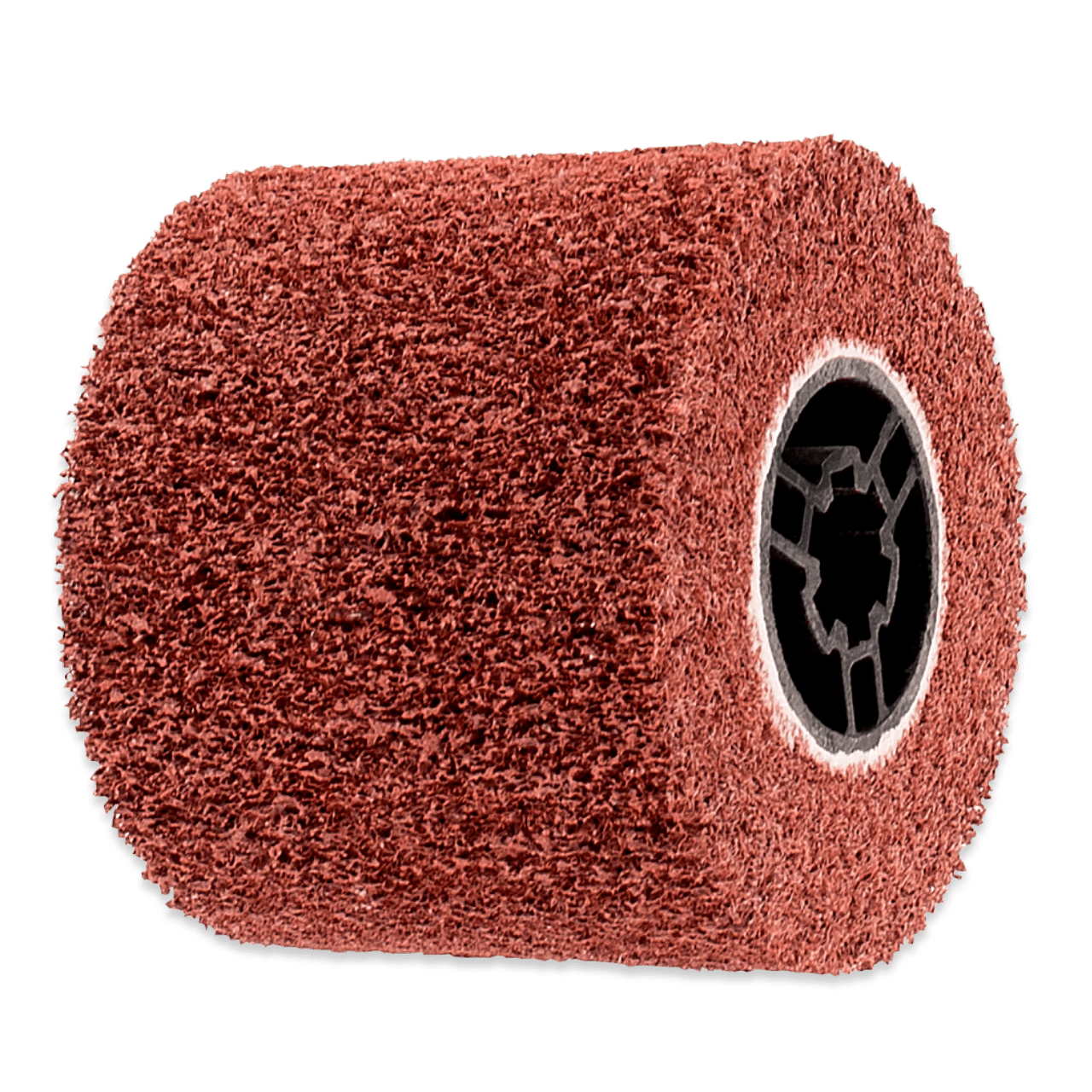
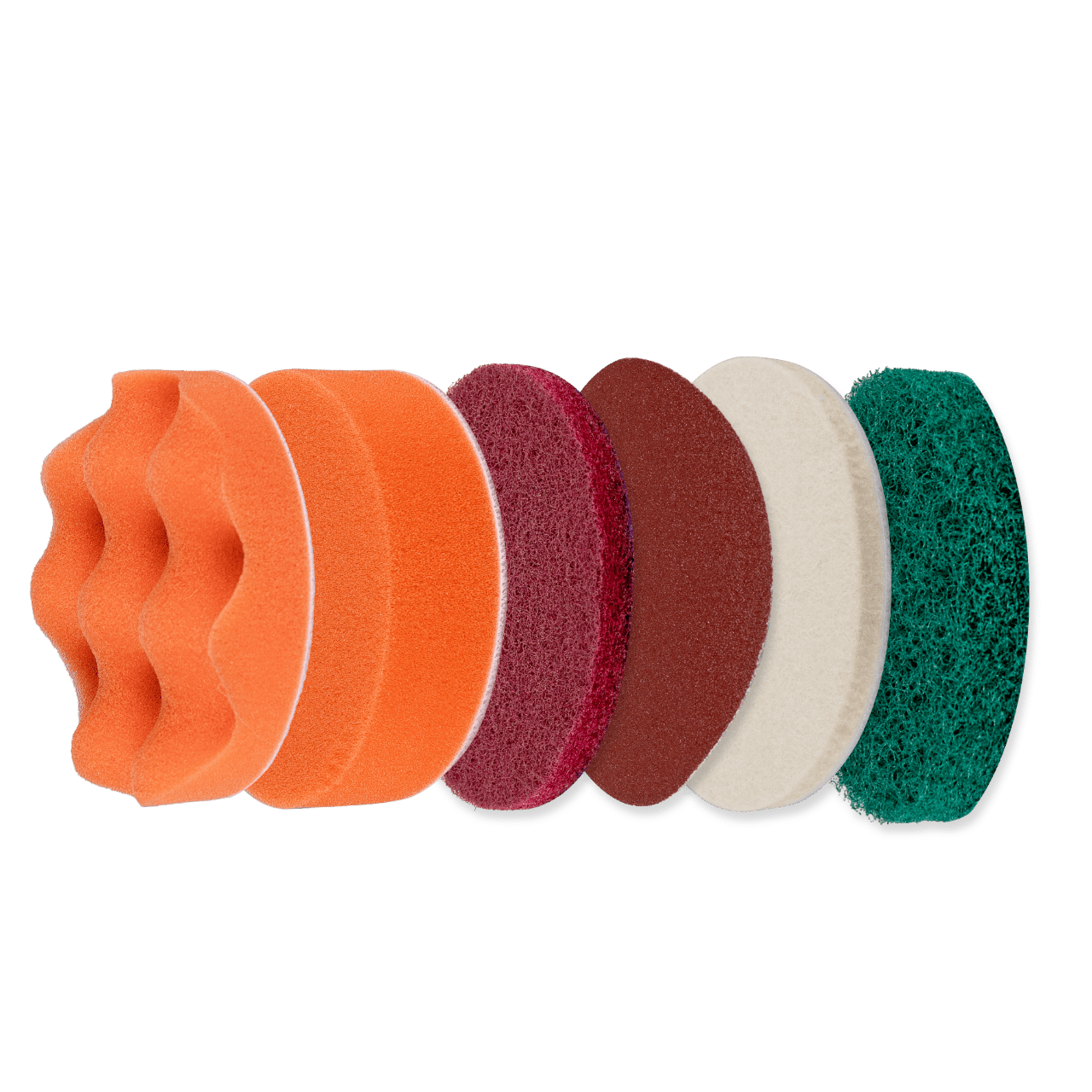
The material being processed determines the material of the grinding wheel. For coarse material removal (coarse grinding), such as deburring, hard wheels are helpful. Soft wheels are used for fine grinding or polishing. Generally, the higher the grit number, the smaller and finer the grain. Caution: An imbalance can occur if the surface of the grinding wheel is uneven (due to changes in the distribution of the bond and abrasive grains). This can be corrected with balancing scales or balancing rollers, ensuring flawless grinding results.