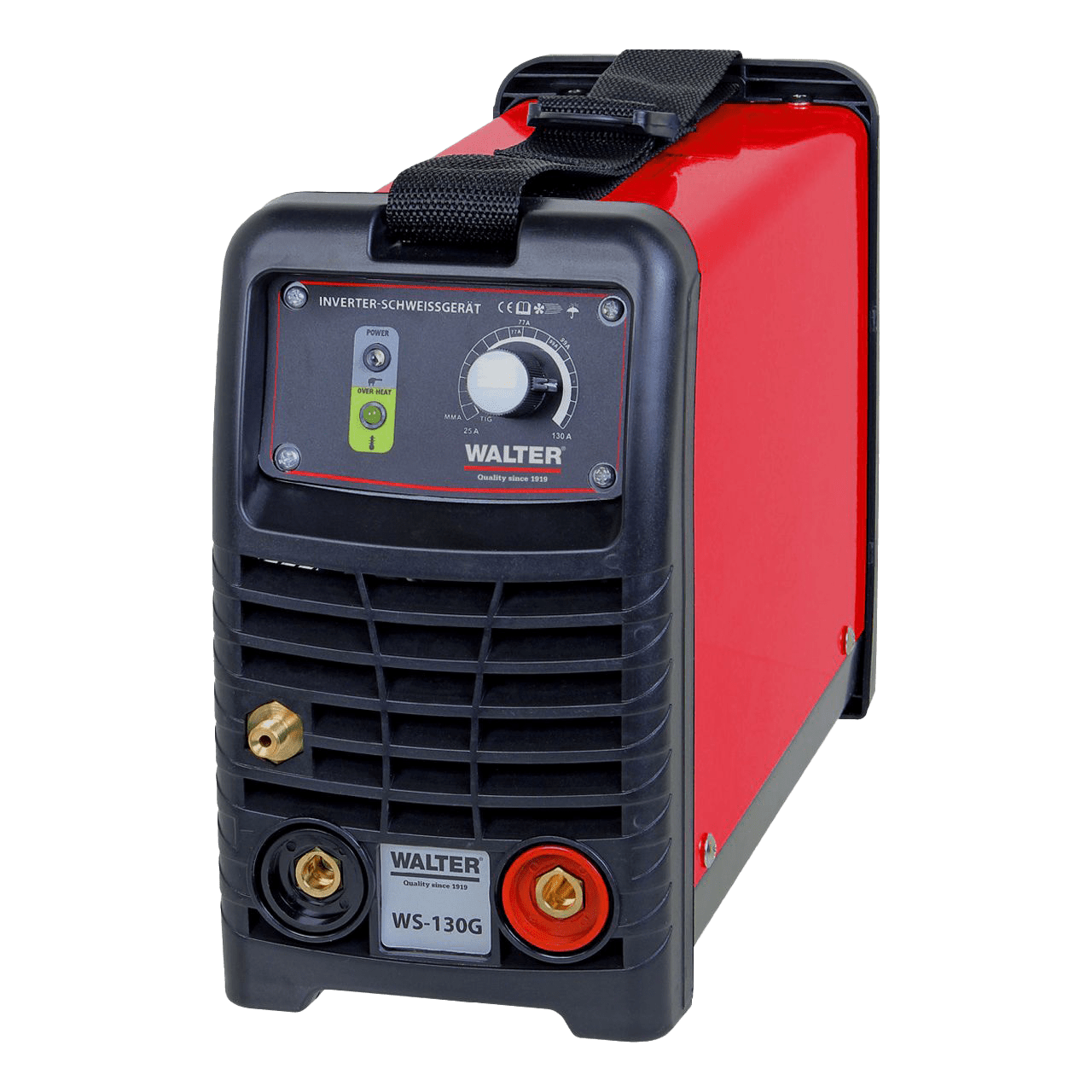
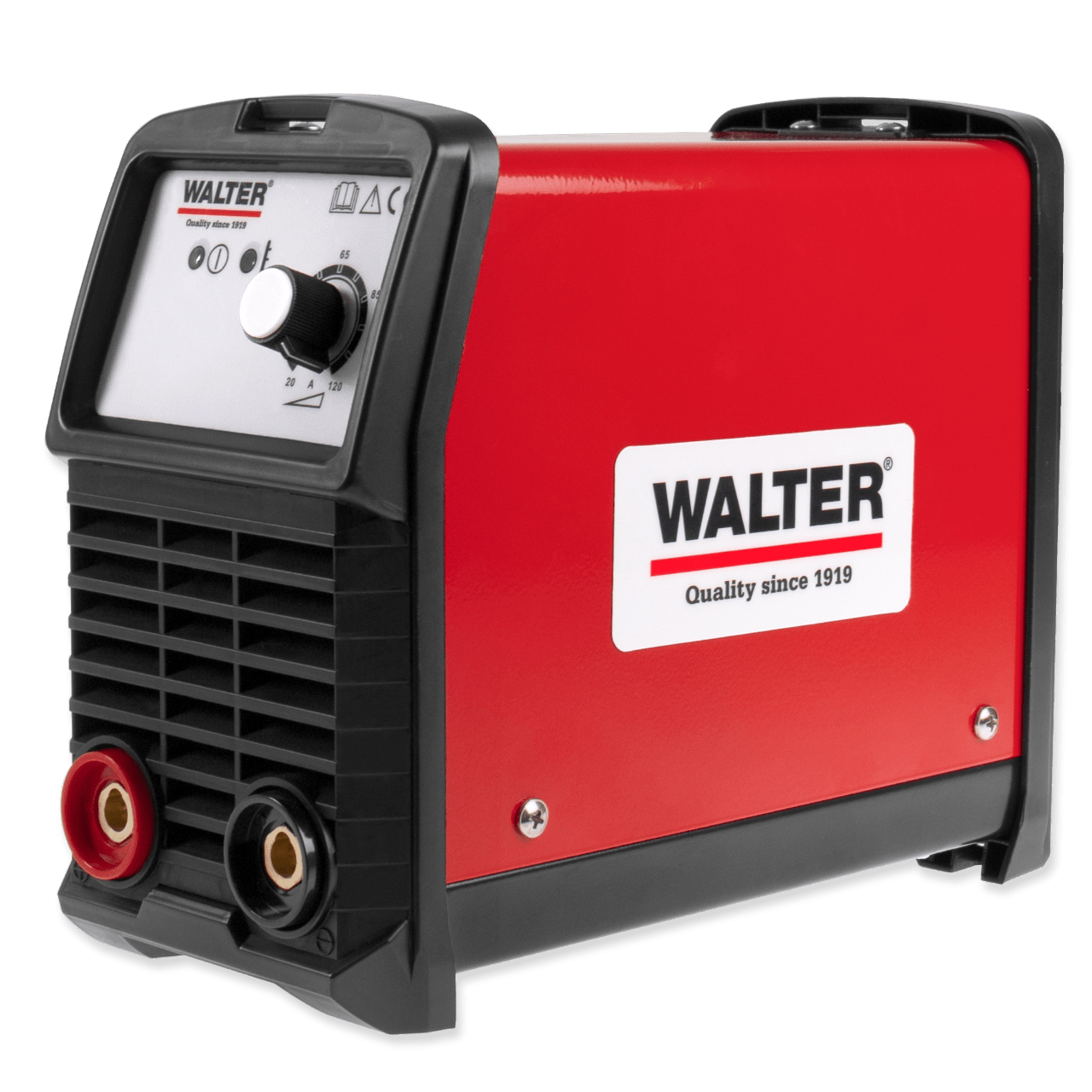
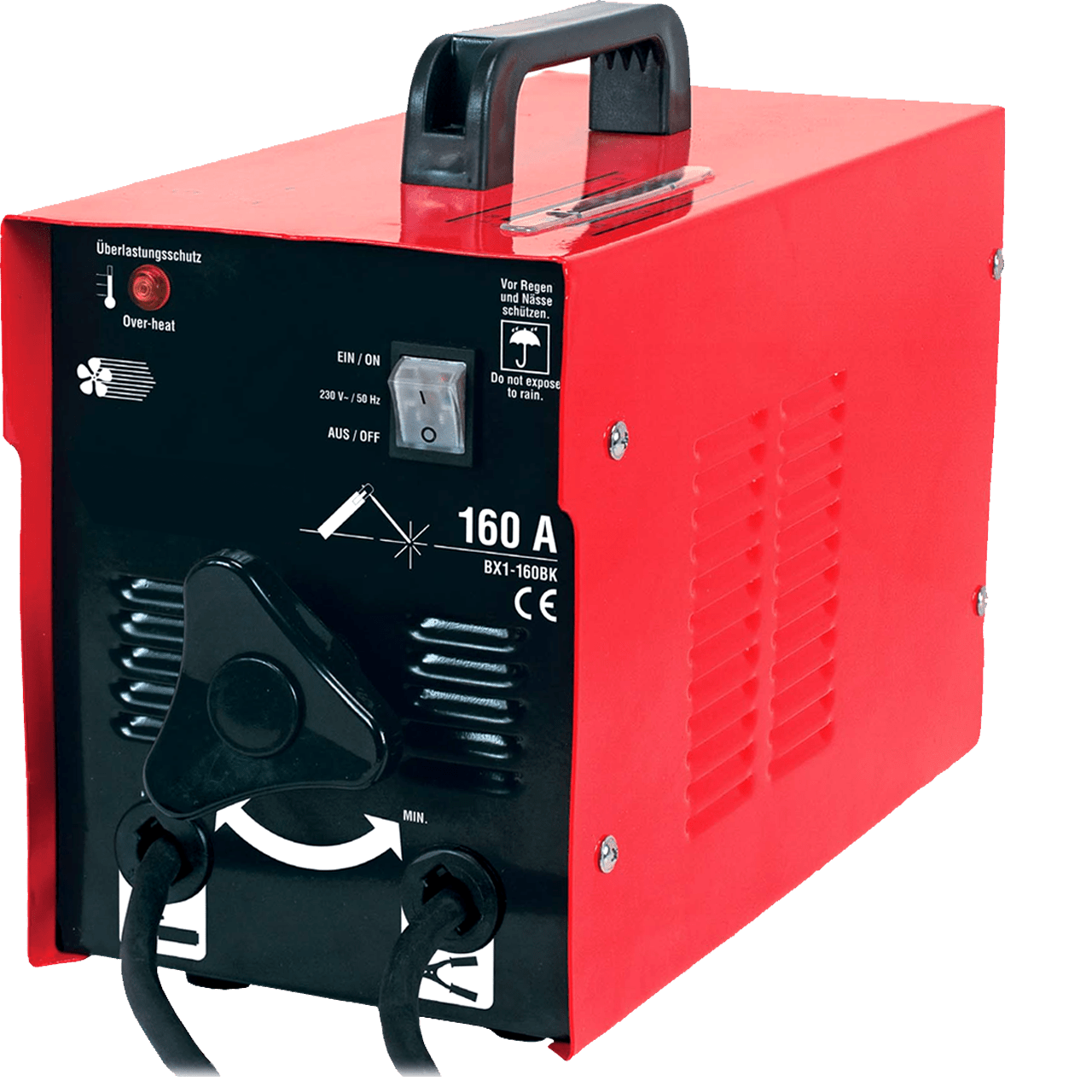
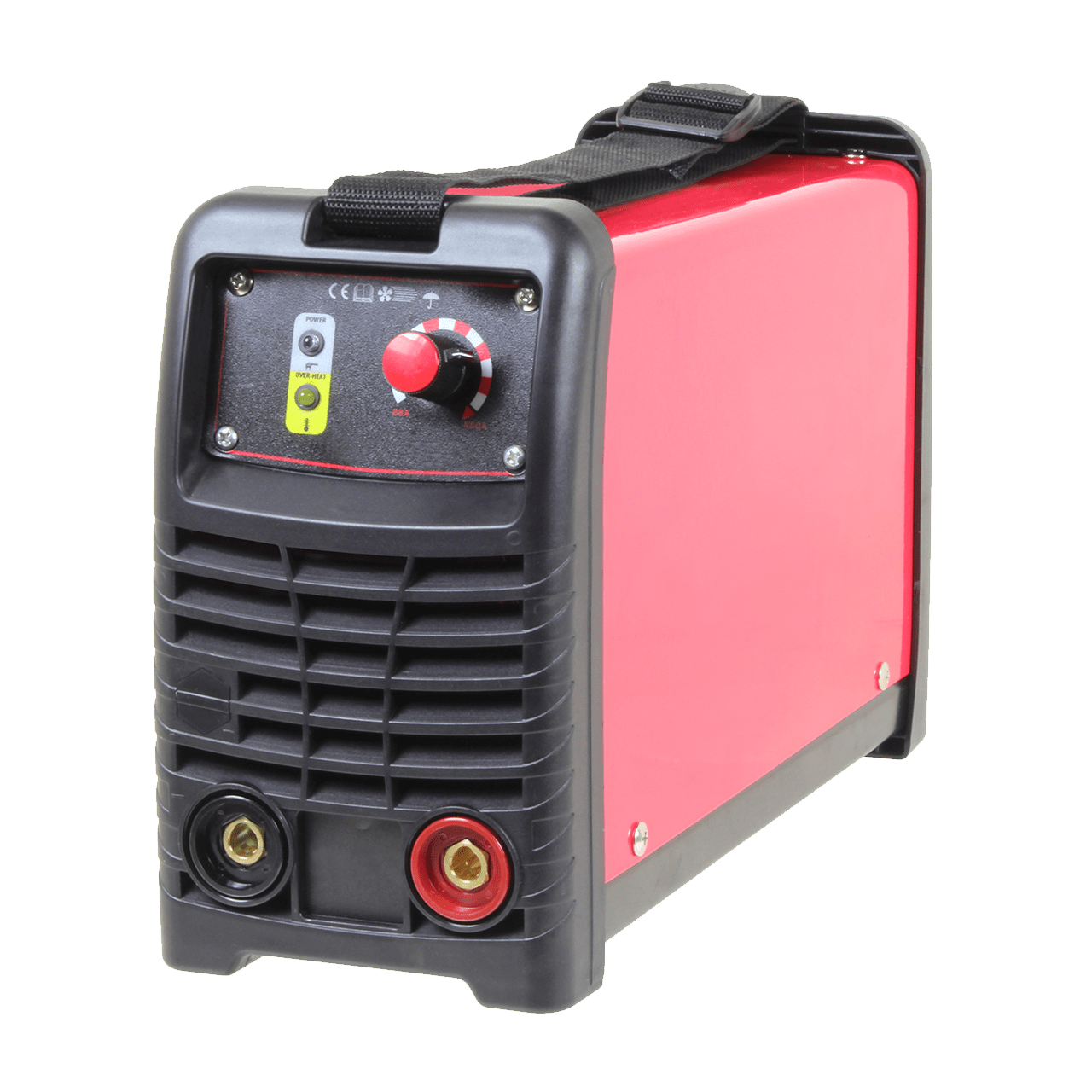
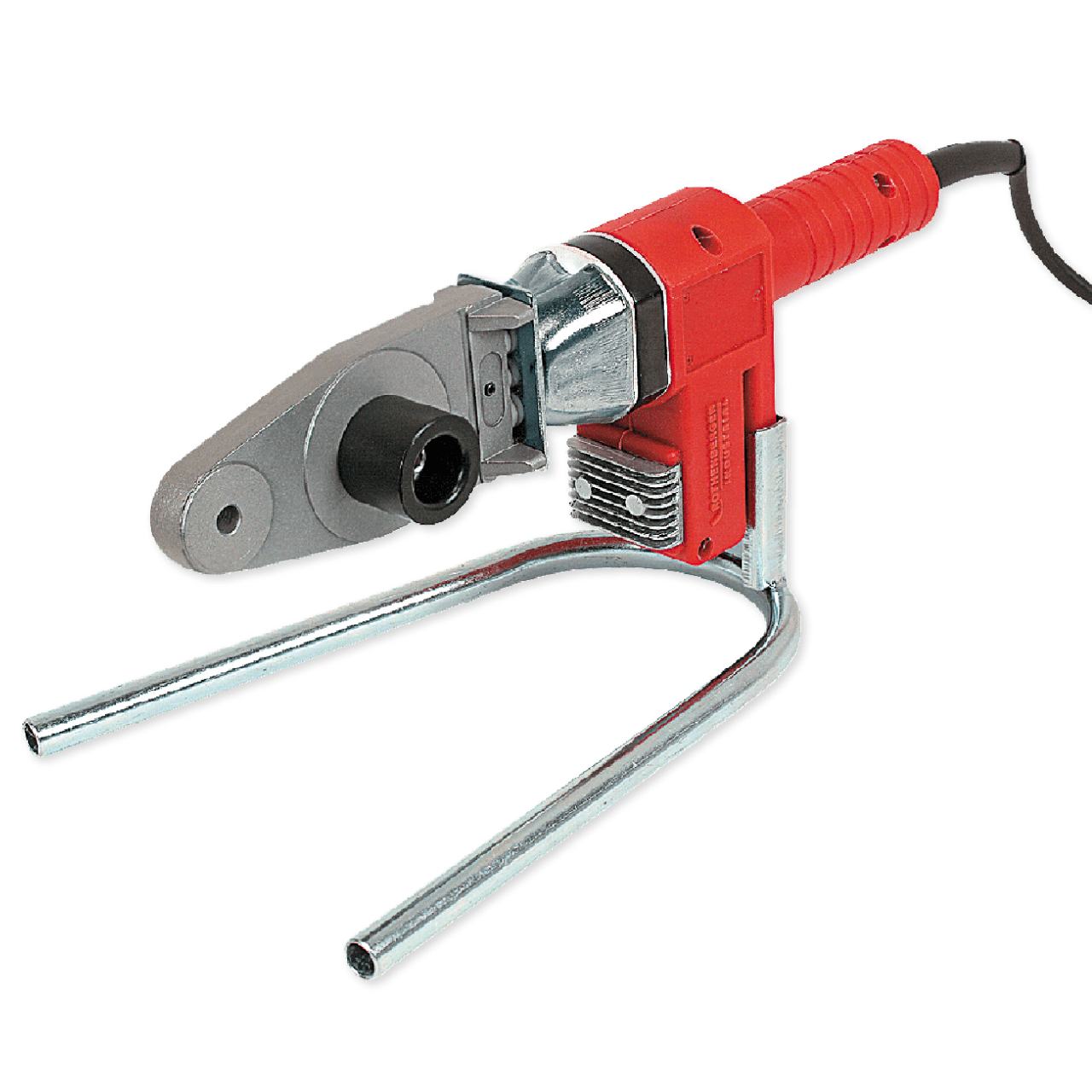
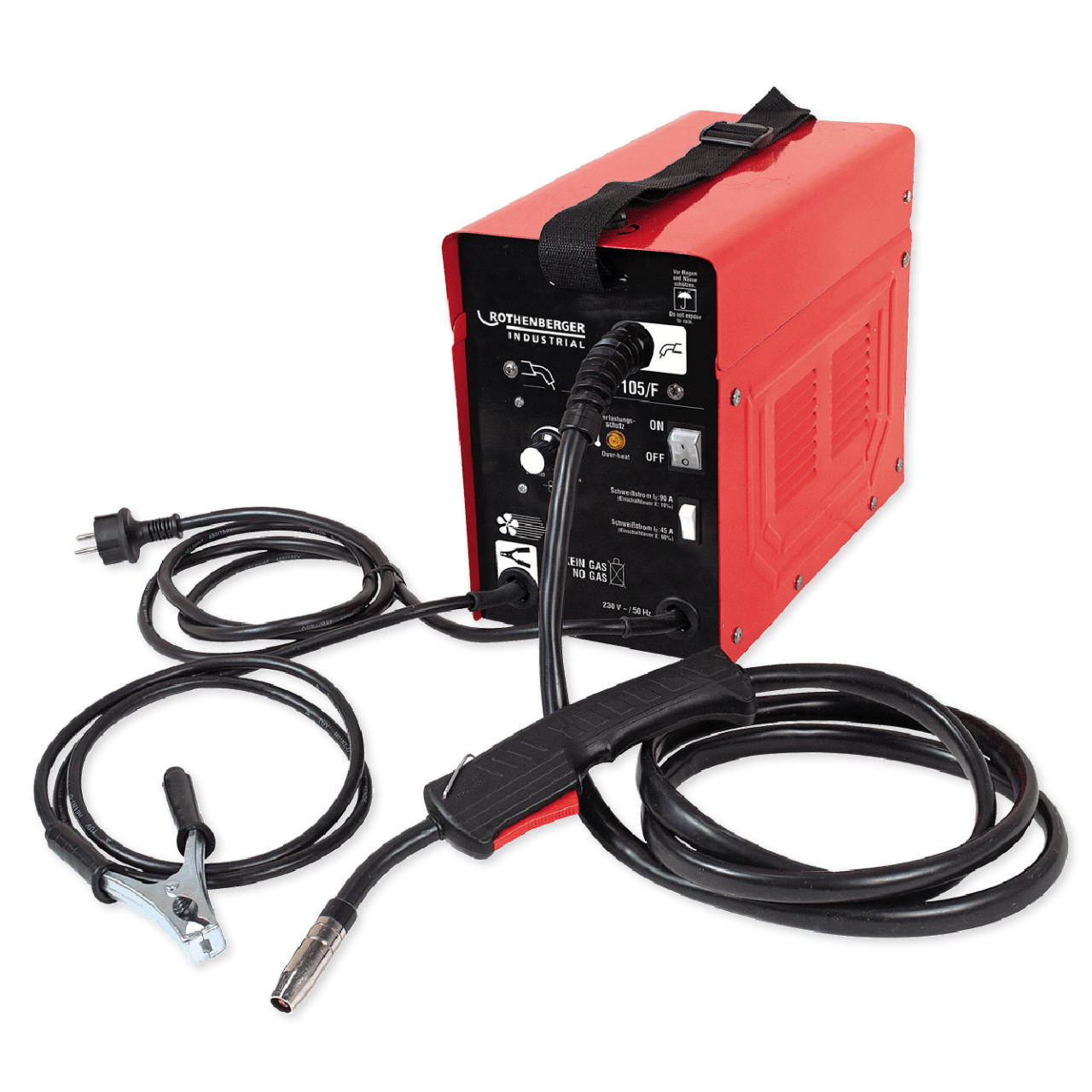
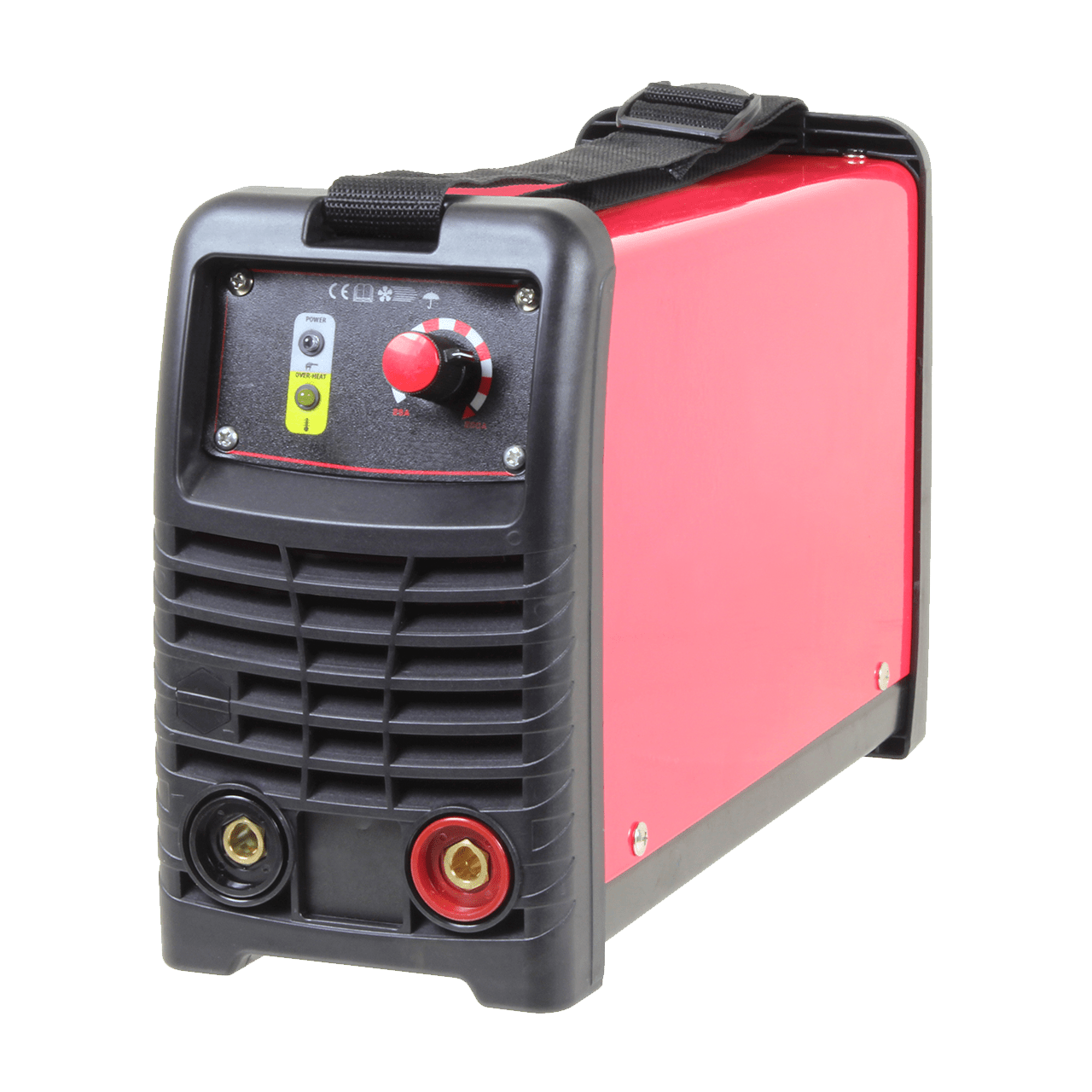
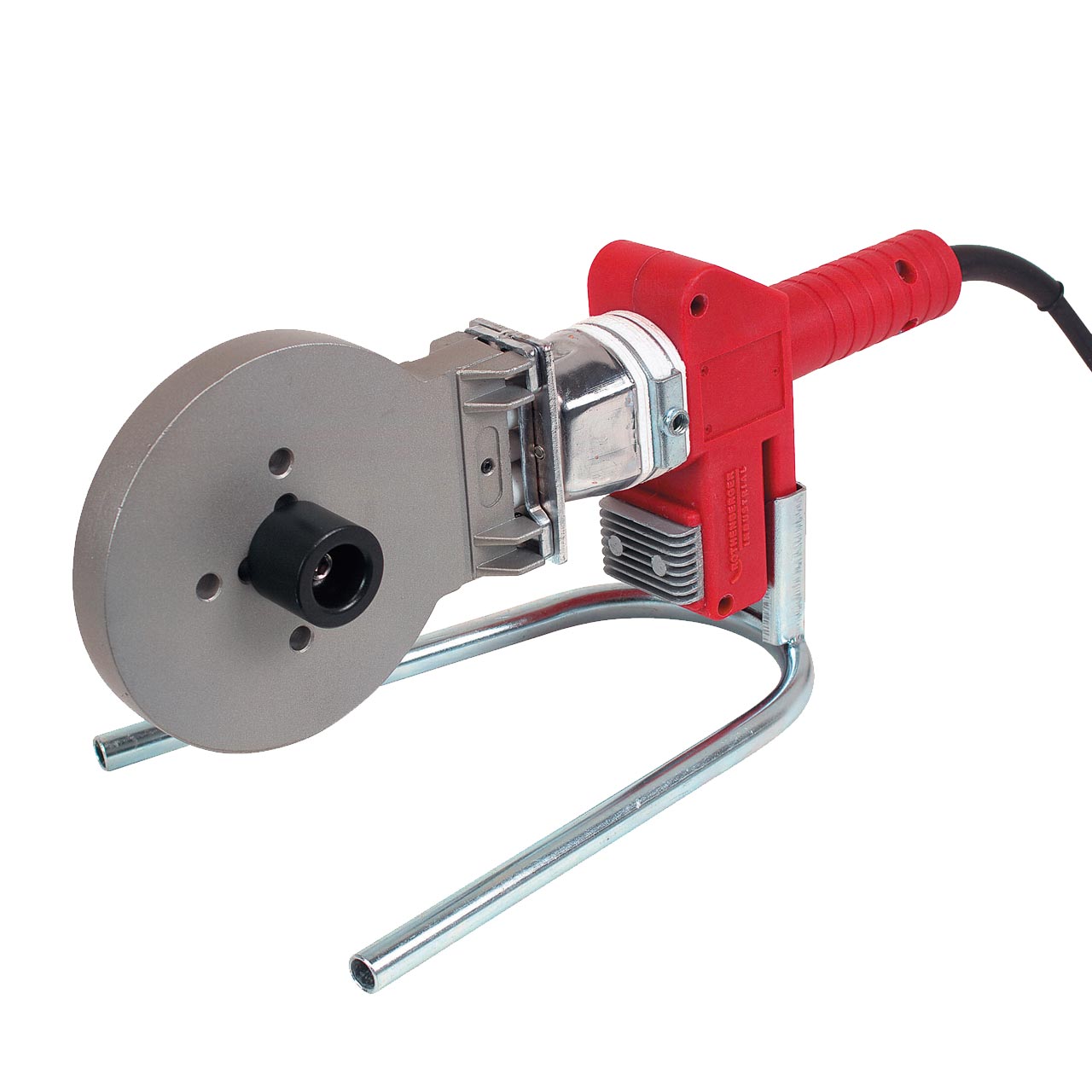
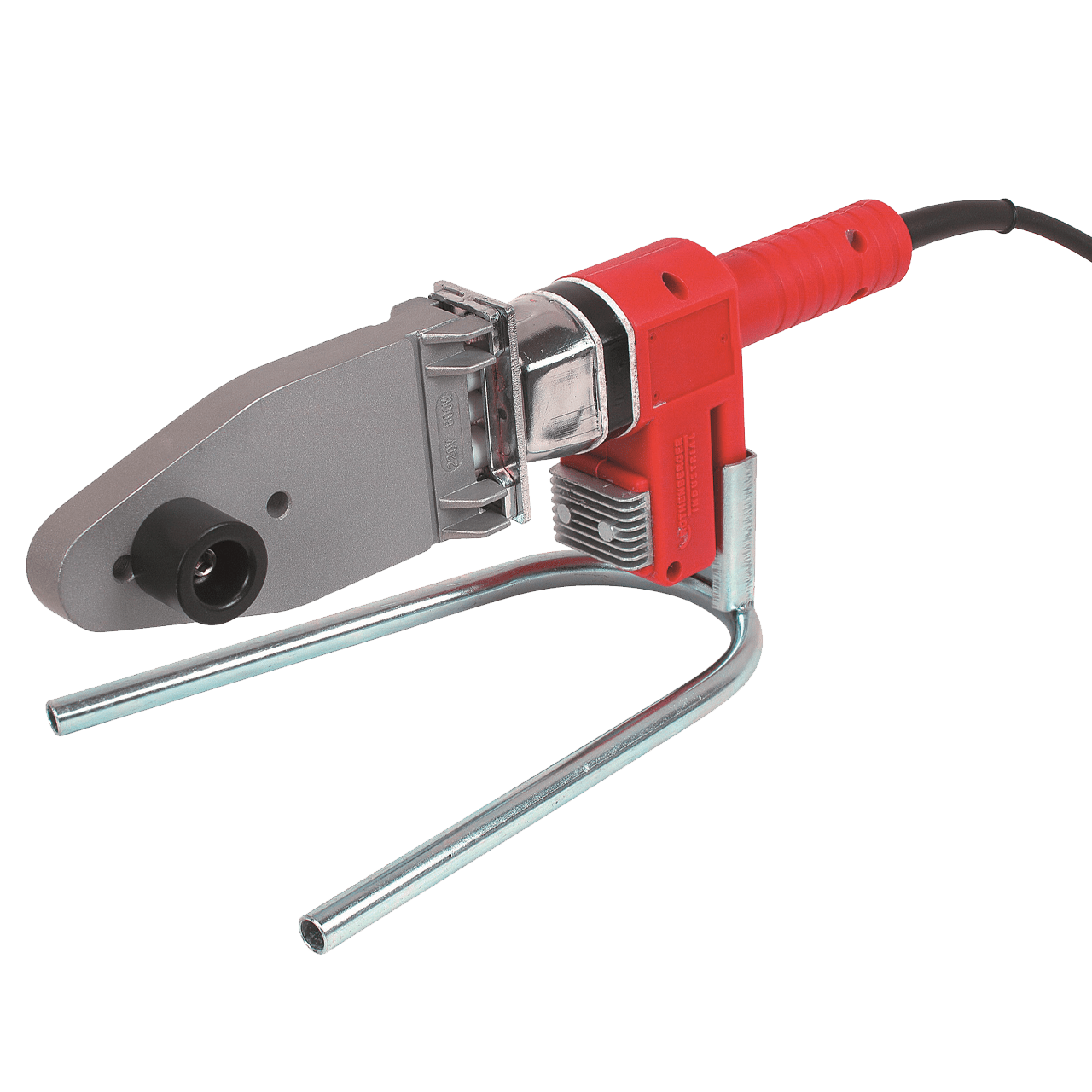
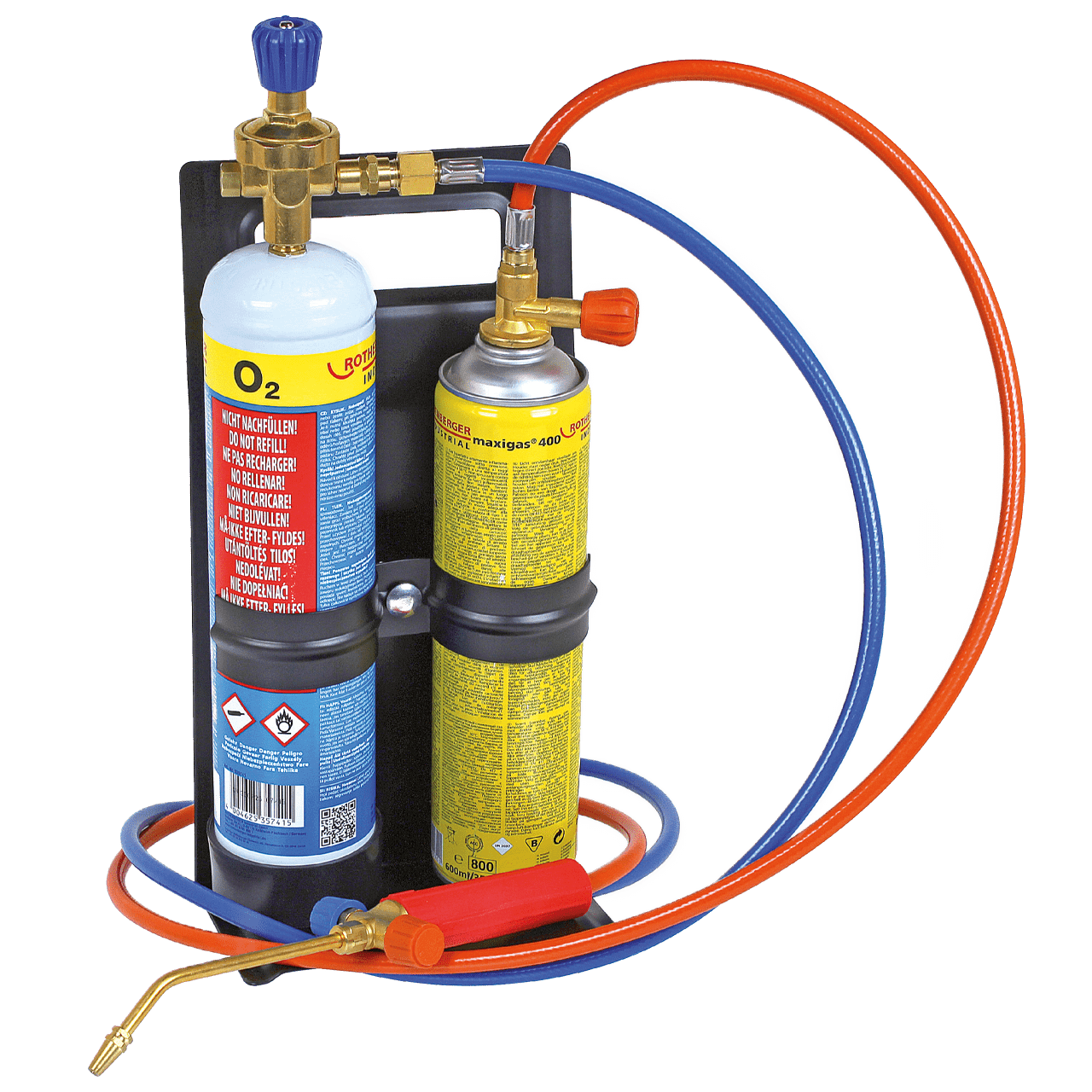
Whether iron, steel, stainless steel, or cast steel – the compact WALTER welding machines weld all metals together in no time. From MIG/MAG and TIG to flux-cored welding machines: WALTER offers the right machine and matching accessories for every need. DIY enthusiasts can rely on the high quality of WALTER products!
The ideal WALTER welding machine for every DIY project
High-quality devices at the best price
WALTER welding machines help you join components together – simply and easily. Different materials require different welding techniques. This is the only way to avoid unsightly welds or oxidation. WALTER's compact machines support you in every welding project and offer excellent value for money!
What types of welding equipment are there?
With or without gas, with or without an arc – welding machines come in many different designs. Each machine is suitable for different requirements:
arc or electrode welding equipment
Electrode welding machines are very popular among DIY enthusiasts because of their versatility. A welding transformer serves as the power source. During the welding process, a stick electrode creates an arc between the workpiece and the electrode holder: the workpiece melts at the weld point. As the stick electrode slowly burns away, the filler material is released, which joins the components. The gas released simultaneously protects the weld from air inclusions and thus prevents oxidation.
Arc welding machines are ideal for outdoor work – even in the rain – and can be used for unalloyed steel. Due to the toxic fumes produced during welding, you should always ensure adequate ventilation. Ideally, do your DIY projects in the garden!
MIG/MAG welding machines
Depending on the technology, shielding gas welding machines use either active gas (CO₂ or a CO₂-argon mixture) or inert gas (usually pure argon) for metal welding. While the MAG welding process is suitable for unalloyed steel, the MIG welding process is ideal for non-ferrous metals.
In both welding techniques, an electric arc between the workpiece and the wire electrode provides the energy – the only difference lies in the two types of gas and their applications. During the welding process, a consumable welding wire is continuously fed. The gas used protects the metallic workpiece from oxidation, thus preventing any negative impact on the weld seam.
MIG and MAG welding processes produce very little welding fume, and the electrode does not need to be changed frequently. Furthermore, the current is easy to adjust, and the shielding gases are non-toxic.
TIG welding machines
"TIG" stands for Tungsten Inert Gas Welding. This technique is also one of the shielded gas welding processes. The tungsten electrode does not melt during the welding process, and the workpiece is melted with pinpoint accuracy. The filler material
The material is fed manually. This convenient technique allows for welding iron, steel, stainless steel, and nickel-based alloys.
WALTER inverter welding machines combine TIG welding and stick welding techniques. With TIG welding, the electrode does not melt. In stick welding, the coated electrode melts. This technique requires no gas and is commonly used for welding iron, steel, cast steel, and stainless steel. Furthermore, the welding current is continuously adjustable.
The clear advantages: The welding process produces hardly any spatter or smoke. Furthermore, almost all materials can be welded using this technique.
Choosing the right welding machine
For DIY welders, we recommend a MIG/MAG welding machine. This allows you to complete welding work with unalloyed steel cleanly and easily. However, the choice depends heavily on the intended use. MIG/MAG machines are very easy to operate and universally applicable. Stick welding machines are ideally suited for a wide variety of materials and work in hard-to-reach places.
WALTER Welding Accessories
Order accessories conveniently at the same time. Among the top products, you'll find, among other things, flux-cored welding spools for your electric welding machine at the best prices.