


Rainwater pumps: Using rainwater in the house & garden
Using free rainwater for irrigation, toilet flushing, and other purposes sounds appealing? Learn how to utilize rainwater in your home and garden in our article. Find out whether a domestic water supply system, a domestic waterworks, a submersible pump, or a classic rain barrel pump is better suited to your needs, and how these different types of rainwater pumps differ.
Rainwater pumps and their applications
For the various applications in the home and garden, there are many different types of pumps. Once the intended use is defined, the right pump can be selected quickly. A different pump is needed for flushing toilets or supplying water to a washing machine than for simply emptying a rain barrel or irrigating the garden with a storage pond.
How do I choose the right pump?
Therefore, several questions need to be considered when making the choice:
- What is my water source?
- From where and how far does the water need to be pumped (suction height, pumping distance, etc.)?
- How often is the pump used?
- How much water is being pumped?
- Will the pump be used underwater or as a portable, above-ground unit?
Rain barrel pump
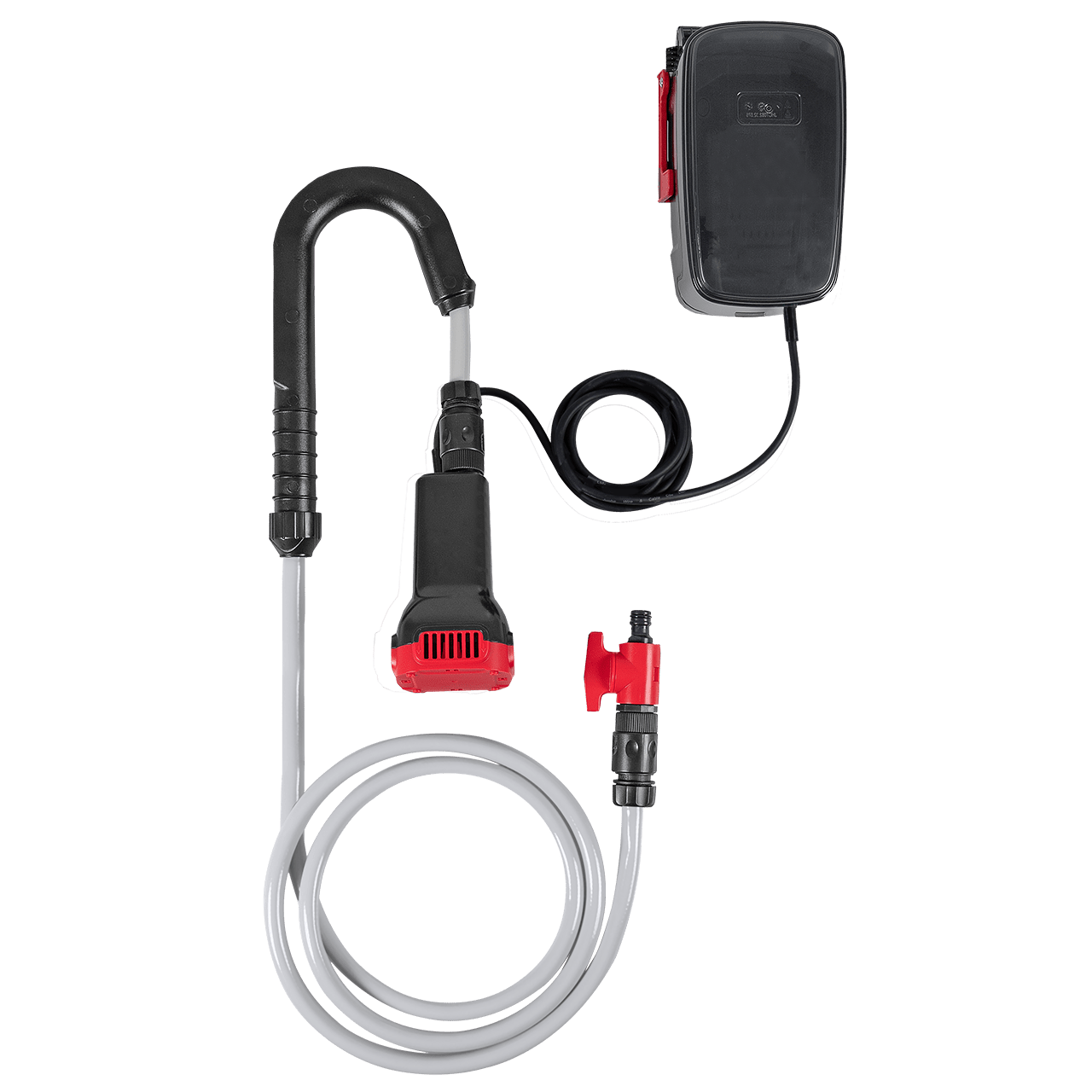
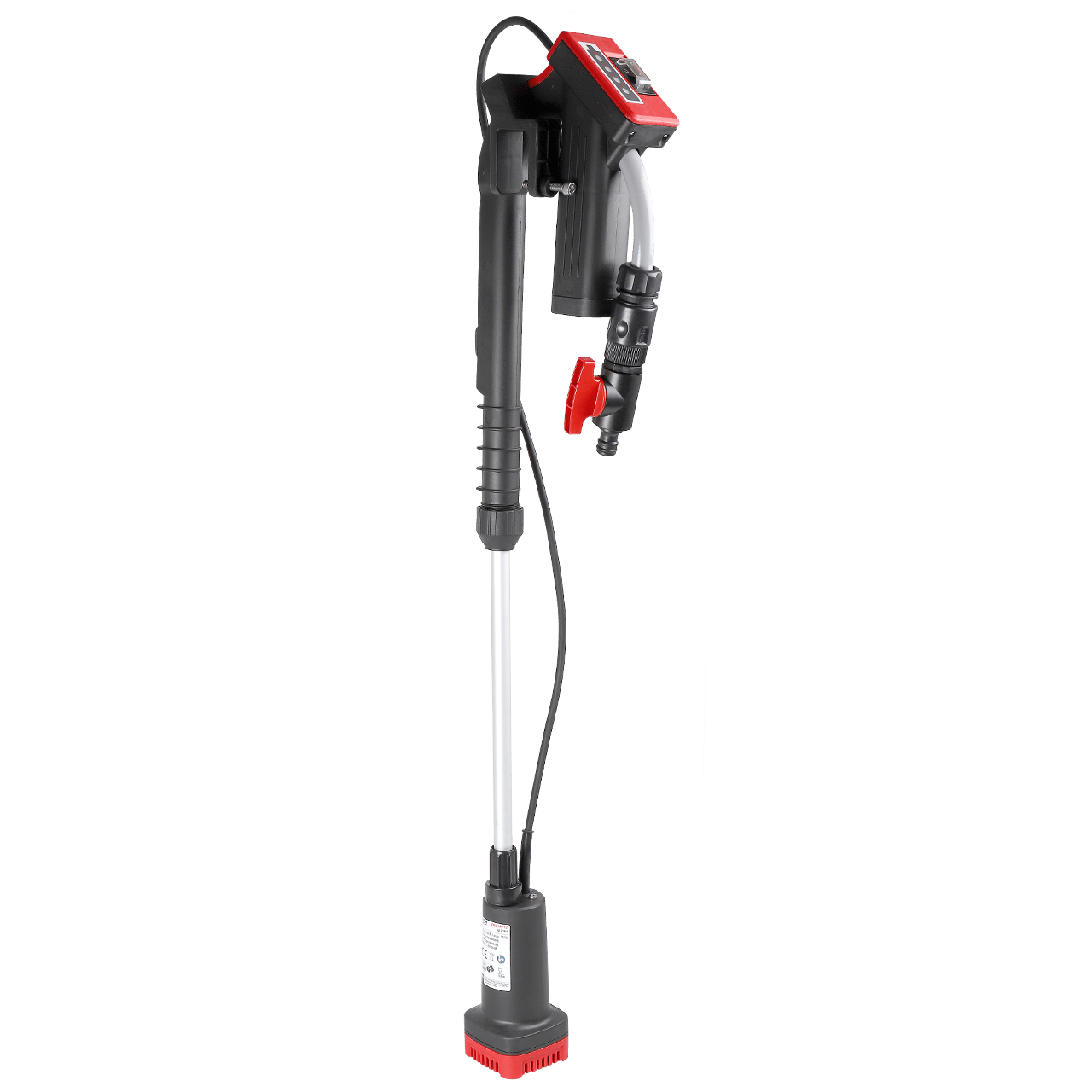
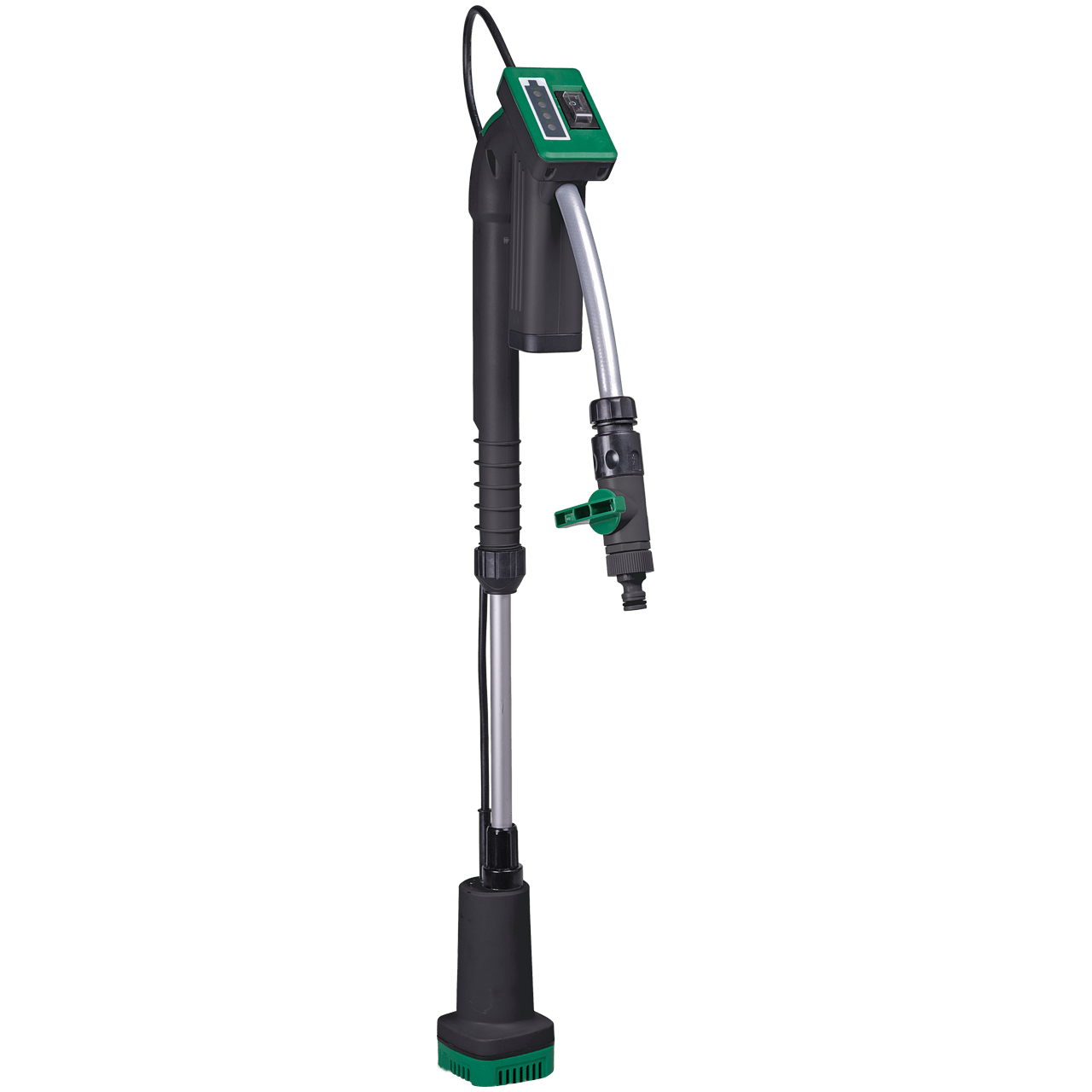
The simplest way to install a rainwater pump in your garden is with a rain barrel pump. It's particularly easy to use because it simply hangs inside a rain barrel and can start pumping water after a short adjustment. It functions like a small submersible pump. The flow rate is usually continuously adjustable.

Application area
The rain barrel pump allows you to conveniently fill a watering can with rainwater, or the pump can be connected directly to a garden hose . It is generally only suitable for manual garden watering.
Advantages
- Easy to use
- Quickly installed and dismantled
- Suitable for most rain barrels
Discover rain barrel pumps
garden pump
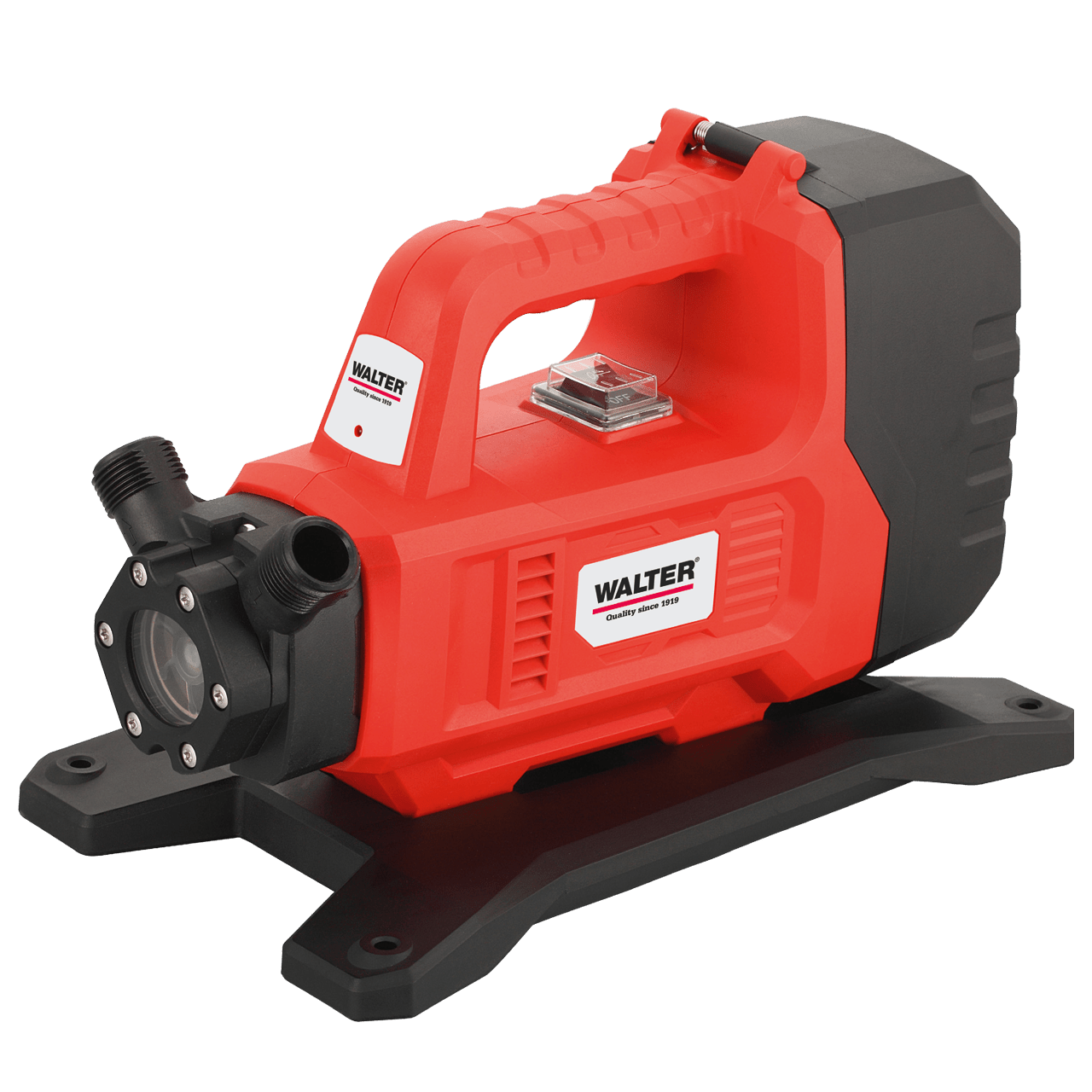
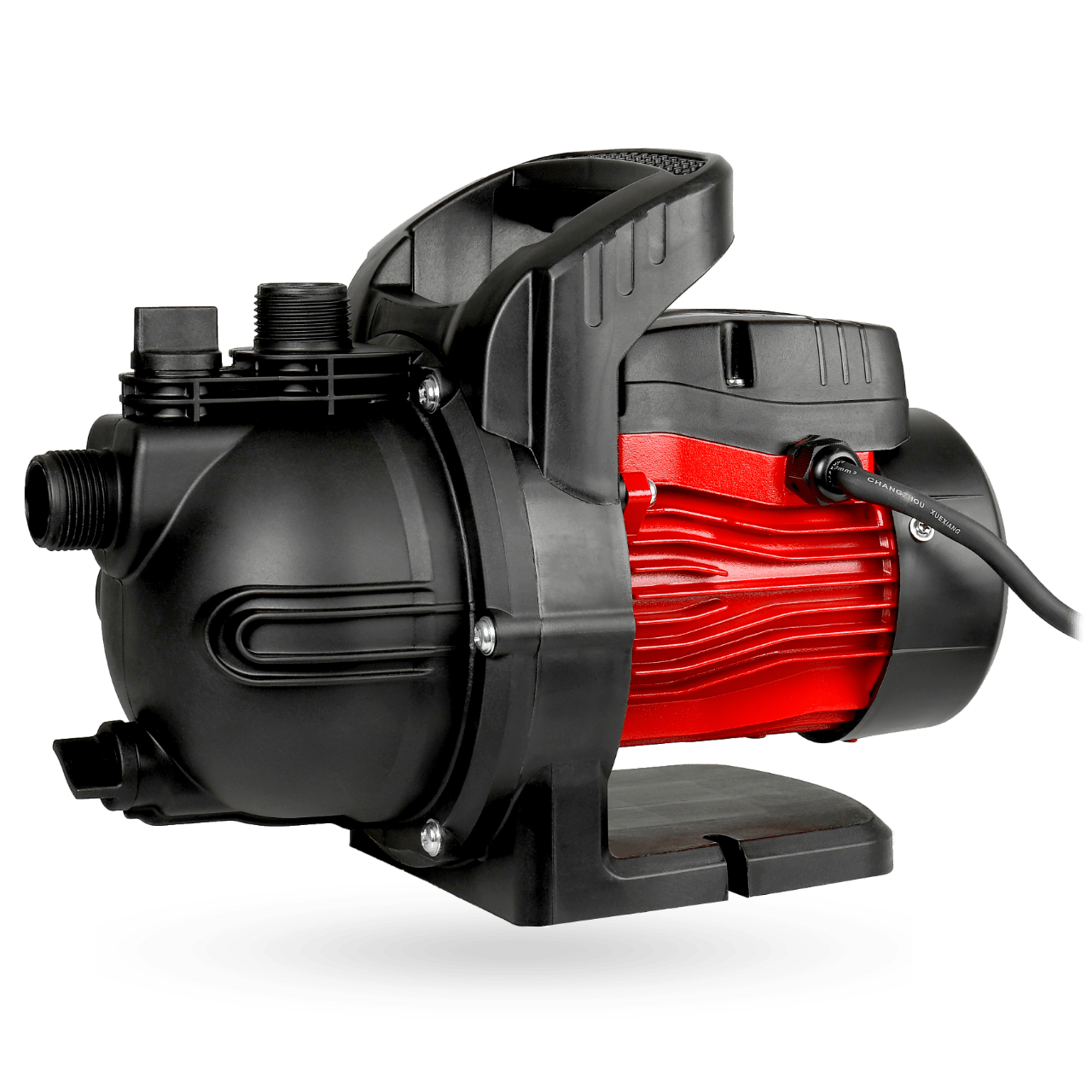
The classic garden pump is suitable for both mobile use and permanently installed systems . It is not placed in the water itself, only its suction hose. Therefore, easy but safe access to the water source is a significant advantage.
Most garden pumps must be operated with a filter, as any sand and dirt residue can become trapped in the pump and damage it.
Areas of application
- Easy watering of lawns or flower beds
- Pumping out basements
- Operating the toilet flushing system or the washing machine, provided the pump is connected to the supply system in the house.

Advantages
- Easy, safe access to the water source
- Mobile use
- High operating pressure, suitable for operating lawn sprinklers or similar devices.
- Garden pumps, due to their design, operate using a vacuum system, which results in a further advantage: extremely high suction and delivery heads. On average, they have a suction head of five to seven meters and an extreme delivery head of 30 meters.
Disadvantages
One disadvantage, however, is that the garden pump must not run dry due to its vacuum system. An integrated dry-run protection feature is therefore a great advantage.
Discover garden pumps
domestic water supply system
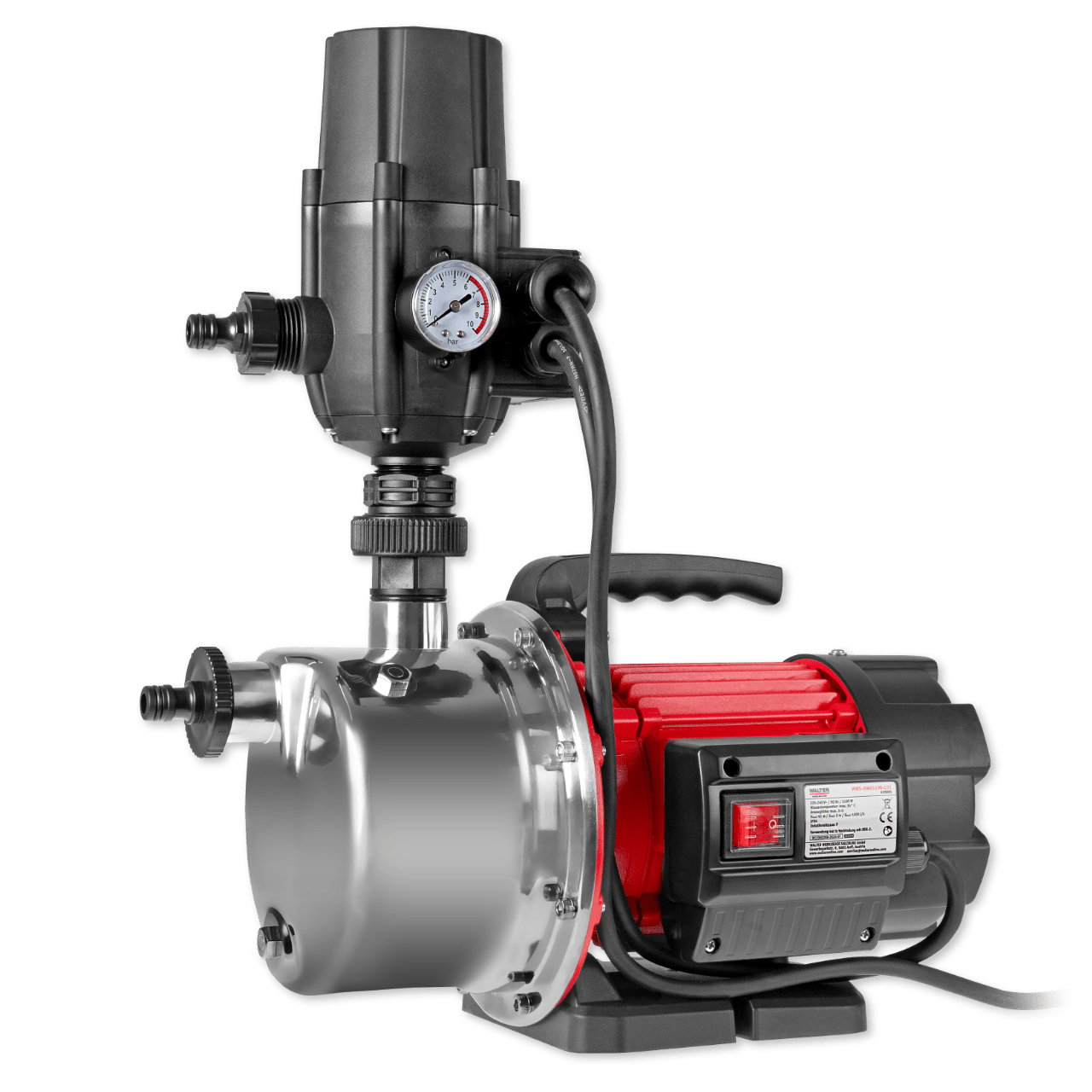
A domestic water supply system is a pump that can automatically adjust the required water pressure. When integrated into a household, this system can operate independently and intelligently. As soon as a tap is turned on, the system can switch the pump on and off again. This provides integrated dry-run protection, which protects the pump from damage.
The domestic water supply system is therefore perfectly suited for a synergy between cistern and automated garden irrigation or the interaction between cistern and sanitary system .

Advantages
- Since a domestic water supply system does not have its own boiler, but only acts as an automatic pump, it is easier and cheaper to maintain.
- Compact dimensions.
- Some domestic water supply systems can determine the pressure themselves, ensuring that the correct pressure is always available for the corresponding application.
Discover domestic water supply system
domestic waterworks
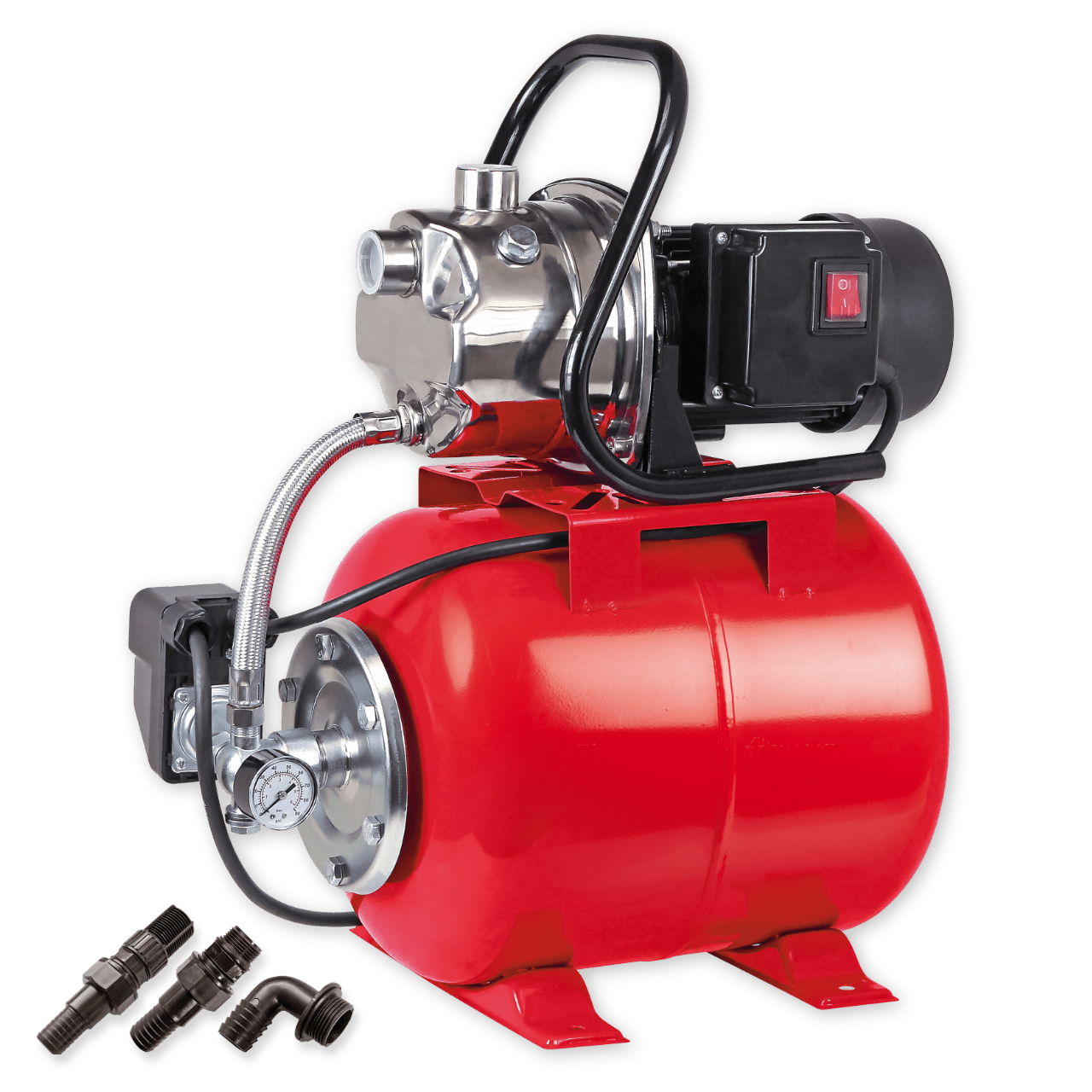
A domestic water supply system can be used in a variety of ways within a house. For example, if the water pressure in a house is very low, the integrated pressure tank can increase the pressure. The power consumption should be chosen based on the size of the house and the required water supply.
With a domestic water supply system, operation can also be automated , with the pump switching on and off as needed. The larger the tank, the more stable and longer the increased pressure can be maintained. This also saves energy and electricity costs, as the pump doesn't have to start immediately when water consumption is low.
The water can be supplied directly via the water mains or via a cistern or similar system. The outflow goes directly into the household's connected water system.

TIPS FOR COMMISSIONING
- Every DIY enthusiast should check the pressure after installing the domestic water supply system to ensure that neither the water pipes nor the membrane installed in the domestic water supply system are subjected to excessive stress and that the device is protected from damage.
- The device must only be operated with clean water.
- Domestic water supply systems should be permanently installed, as they are heavier due to the boiler.
ADVANTAGES
- Various areas of application
- It automatically switches the pump on and off, thus saving energy.
Discover domestic waterworks
Suction pump
Another method of rainwater harvesting is the suction pump. The suction pump operates above ground and, thanks to its powerful suction motor, can draw water even from particularly deep cisterns, ponds, or other water collection containers .
It is important to note that the pump must be filled with water beforehand and must not draw in any air. Furthermore, the distance between the suction line and the pump should be considered to avoid excessive energy consumption.