


Pipe cleaning tools & home remedies
Is the water draining slowly from your shower or is it pooling in your sink? Then your drainpipes are probably narrowed or even completely blocked by various types of debris! Before you call an expensive plumber or pour highly toxic chemicals down the drain, here are some inexpensive and easy solutions that will clear your pipes in no time. Includes recommendations for drain cleaning tools. Simple, but effective.
Locate and assess problem areas
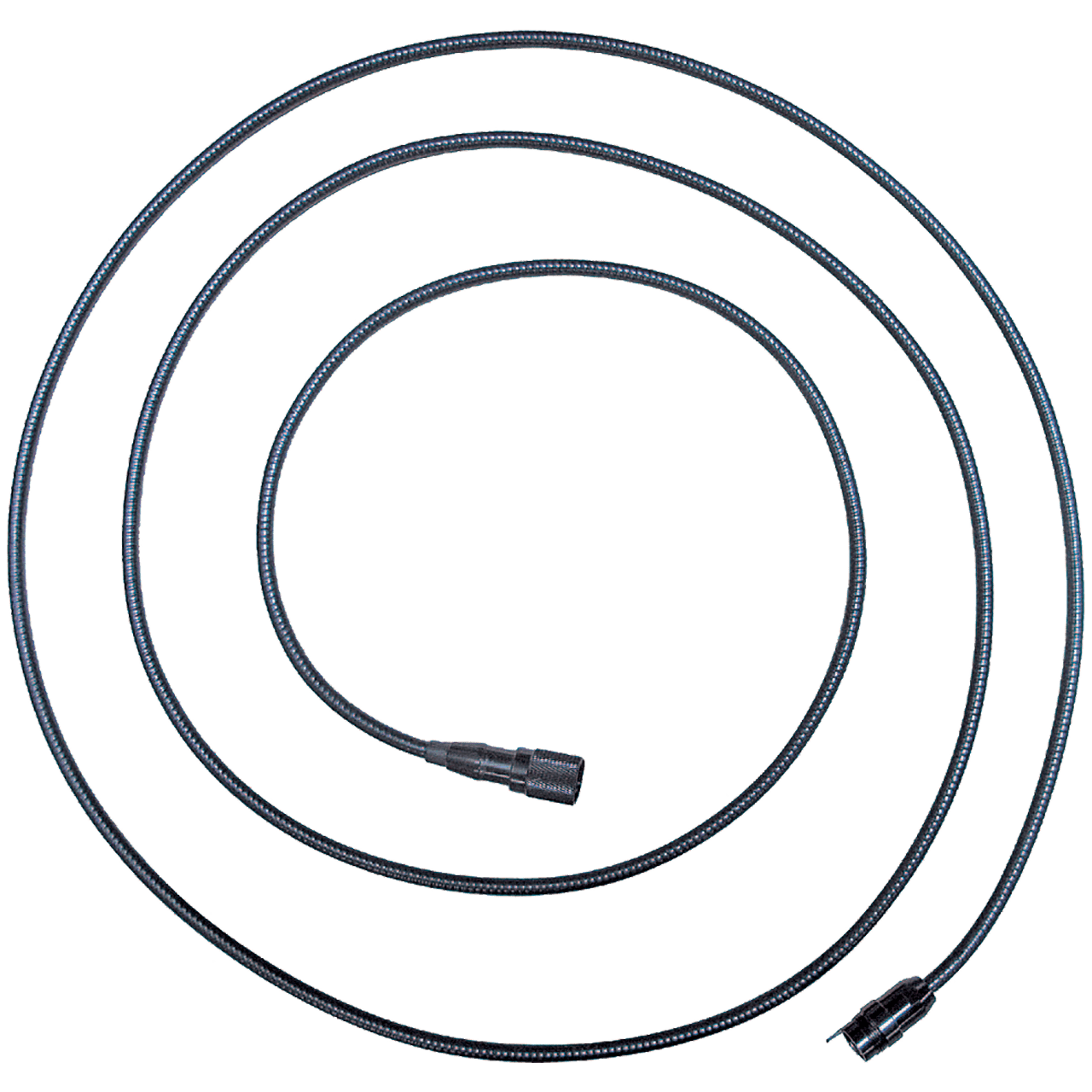
To determine the correct course of action, the problem area must first be located and carefully observed. A blockage is most easily detected with an inspection camera . The long, flexible cable or even the gooseneck extension allows for penetration deep into the pipe. An LED light attached to the camera provides excellent visibility, even in heavily soiled pipes.

Possible cause of the blocked drain
- Fats, hair, food scraps or other substances that are sometimes accidentally or unknowingly flushed down the drain.
- Limescale deposits at pipe connections
For example, fats and oils are initially liquid when they come out of a hot pan or are at room temperature. When they come into contact with the cold pipe and cold water, they stagnate and get stuck in the pipe. Hair or food scraps, for example, can get caught on these solidified fats and clog the drain.
Pollution level
The next step is to assess how dirty the pipe or area is:
- Light soiling can be removed only in specific spots and with simple methods. This refers to a small deposit of grease or hair in the pipe.
- Moderate contamination extends further. It can also be recognized beforehand by the noticeably slower drainage of water. This can include whole food scraps and larger limescale deposits.
- In cases of severe contamination, water drains very poorly or not at all. This is usually due to a mixture of various types of debris or particularly coarse blockages. Often, little of the original pipe is visible to the camera in these situations.
If you're unsure about the extent of the contamination, it's best to consult an expert. Show them the photos taken with the inspection camera.
Instead of expensive & toxic chemicals
Home remedies for removing dirt
Chemicals from various drugstores are usually neither good for the environment nor for the pipe itself. This is because drain cleaners often contain very aggressive chemicals that can attack the surface structure of a pipe . They often do more harm than good.
In most cases, simple home remedies such as boiling water, baking soda, or vinegar essence will do the trick. In more severe cases, various tools such as a classic suction pump or a drain cleaning auger may be necessary.
Which home remedy is used when?
- For light soiling such as hardened grease, it often helps to simply pour boiling water directly down the drain . Most grease should then liquefy and flow away with the wastewater.
- If this life hack didn't help, or if the water is still draining slowly, other debris such as hair or limescale may be stuck in the pipe. Depending on how close the blockage is to the drain, you can try using a toothbrush or the hook of an endoscope camera to pull out the cause of the obstruction .
- But a simple housewife's trick might also help: baking soda and vinegar ! Pour three tablespoons of baking soda down the drain and then add a cup of vinegar. After it stops fizzing, pour in just a cup of hot water. With a bit of luck, the drain should be clear again.
When home remedies don't help
Tool for unblocking drains
If home remedies don't help and the pipe is still clogged, only real tools will do:
- plunger
A classic plunger may be the simplest tool in terms of design, but it's not always the most effective. It requires a lot of physical effort to clear stubborn blockages. - drain cleaning spiral
A drain cleaning auger is generally a good choice. It removes almost any type of dirt from your pipes, but it's considered more of a professional tool and is only really necessary for very heavy blockages. - Suction pressure pump
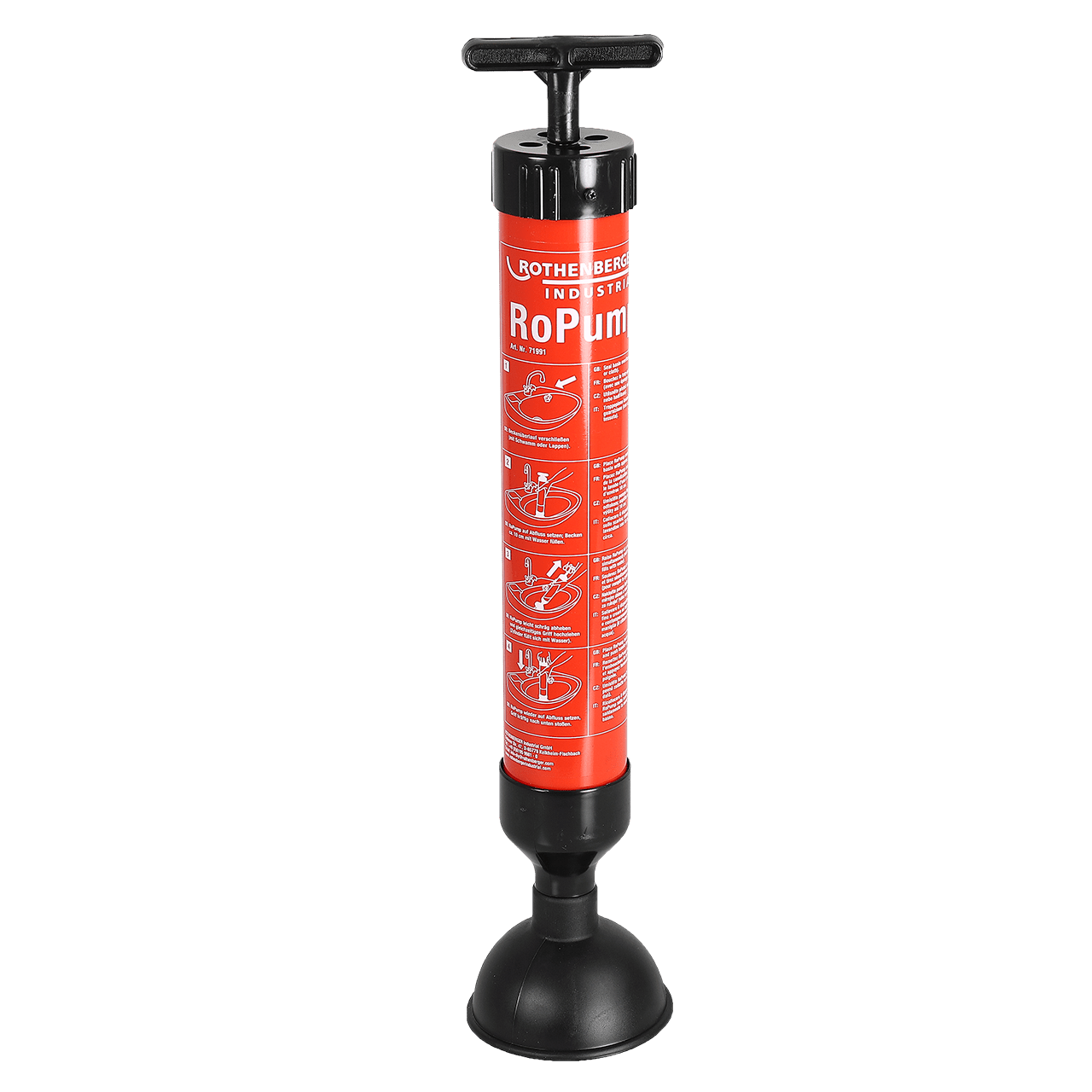
The suction pressure pump is easy to use, not particularly expensive to purchase, and suitable for most types of contamination. - An endoscope camera is always very helpful and can also be a real relief in many other areas.
plunger
suction cup

- The sink or basin must be filled until the plunger is completely submerged.
- The pump must then be carefully moved up and down. This creates a consistent pressure that loosens the stubborn dirt.
- If limescale deposits persist in the drain, a professional must be consulted!
drain cleaning spiral
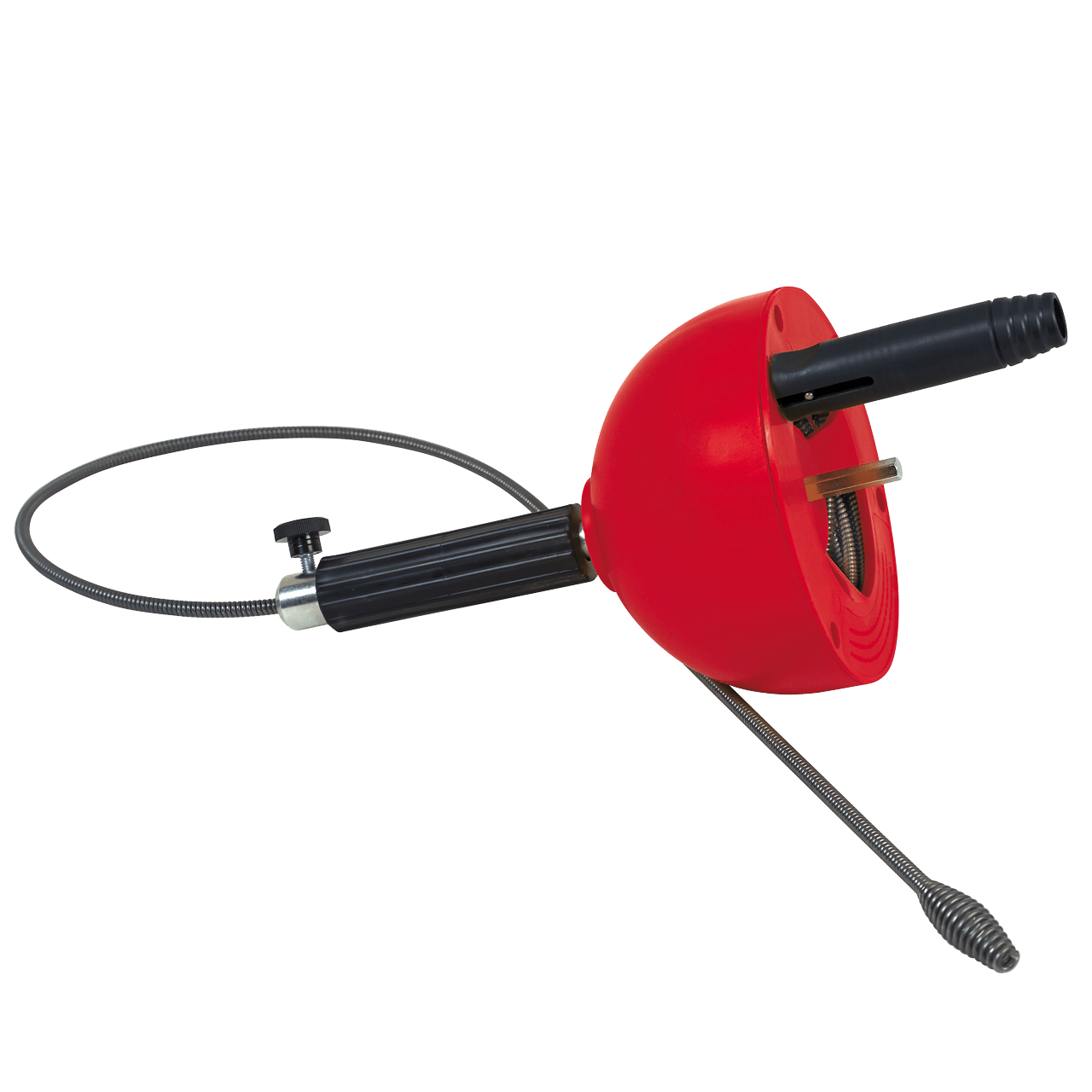
Pipe cleaning spirals consist of a rigid but flexible, spring-like coated wire:
- Thinner spirals run better and more smoothly through pipes , but can deform, expand and loosen more easily.
- Thicker spirals are usually more stable, but are somewhat more difficult to thread through pipe systems.
At the beginning of a pipe spiral is the drive; this can be operated manually or with the help of a suitable connection via a cordless screwdriver.

The spiral is subjected to torsional stress. This allows sufficient tension to build up through the rotation of the motor.
Simple spirals have an open, wound tip. Professional tools often have replaceable claws. Attachments can include a wide variety of pipe tools, such as milling cutters, blade drills, twist drills, or conical drills.
How it works
The flexible spiral and the continuous rotation of the drive cause the spiral to turn inside the pipe, scraping the dirt from the pipe walls . It can then be easily rinsed away with water.
Be careful not to use excessive torque.
If the spiral is at the end of a pipe and the torque becomes too high, it can twist. Then it's especially difficult to remove it from the pipe. This should therefore be avoided at all costs. However, an increase in torque is usually noticeable in the hand crank beforehand.
Suction pressure pump
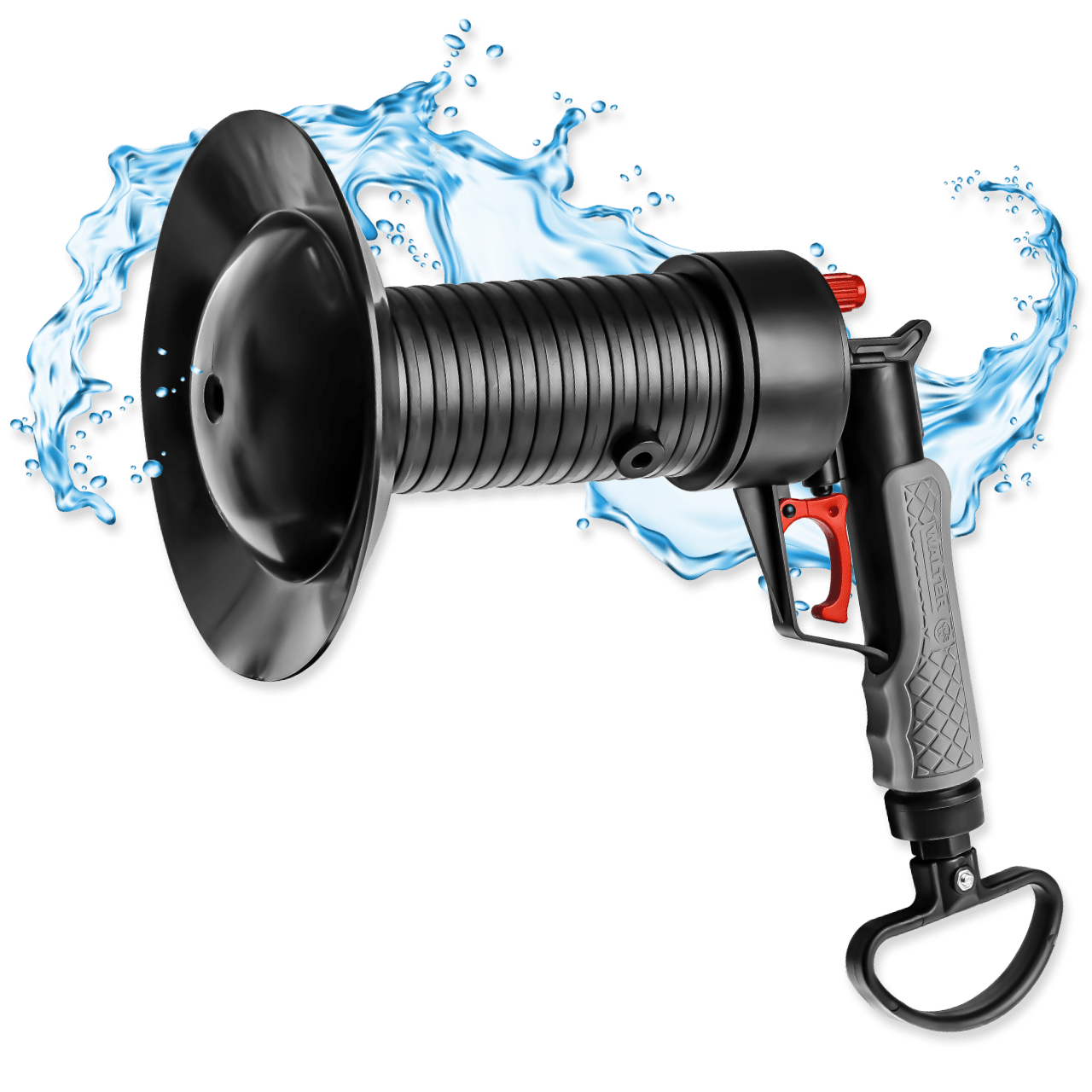
Suction pressure pumps are particularly easy to use and exceptionally effective:

- Its pistol-like design ensures a stable grip.
- A pump is integrated at the end of the stock, which creates a vacuum. This allows the trigger to be released abruptly.
- At the end of the device is a rubber attachment that is placed flush against the blocked drain. The overflow must be blocked for this to work. A towel or similar item is suitable for this purpose.
A suction pump can also be used for the toilet with the appropriate accessory attachment.
Conclusion
Which tool is the right one?
The best tool for cleaning your drain depends largely on the type of blockage. Generally, a suction pump is suitable for most blockages, while a plunger is typically used for light blockages and a drain auger for very heavy ones.