


Anyone can take care of their own lawn.
How to properly scarify your lawn
Scarifying nourishes the top layer of the lawn, the so-called turf, promotes dense grass growth, and even suppresses weeds. But when is the right time for this gardening task? What should you keep in mind when carrying it out? How deep can you scarify into the lawn? And how do you find the right scarifier for your needs? You'll find answers to these questions and many more below.
What is scarifying?

Scarifying improves the air and nutrient quality of the lawn. This process removes dead plant matter, thatch, and moss from the turf (top layer of the lawn). After this lawn care, the lawn can absorb air and water more effectively.
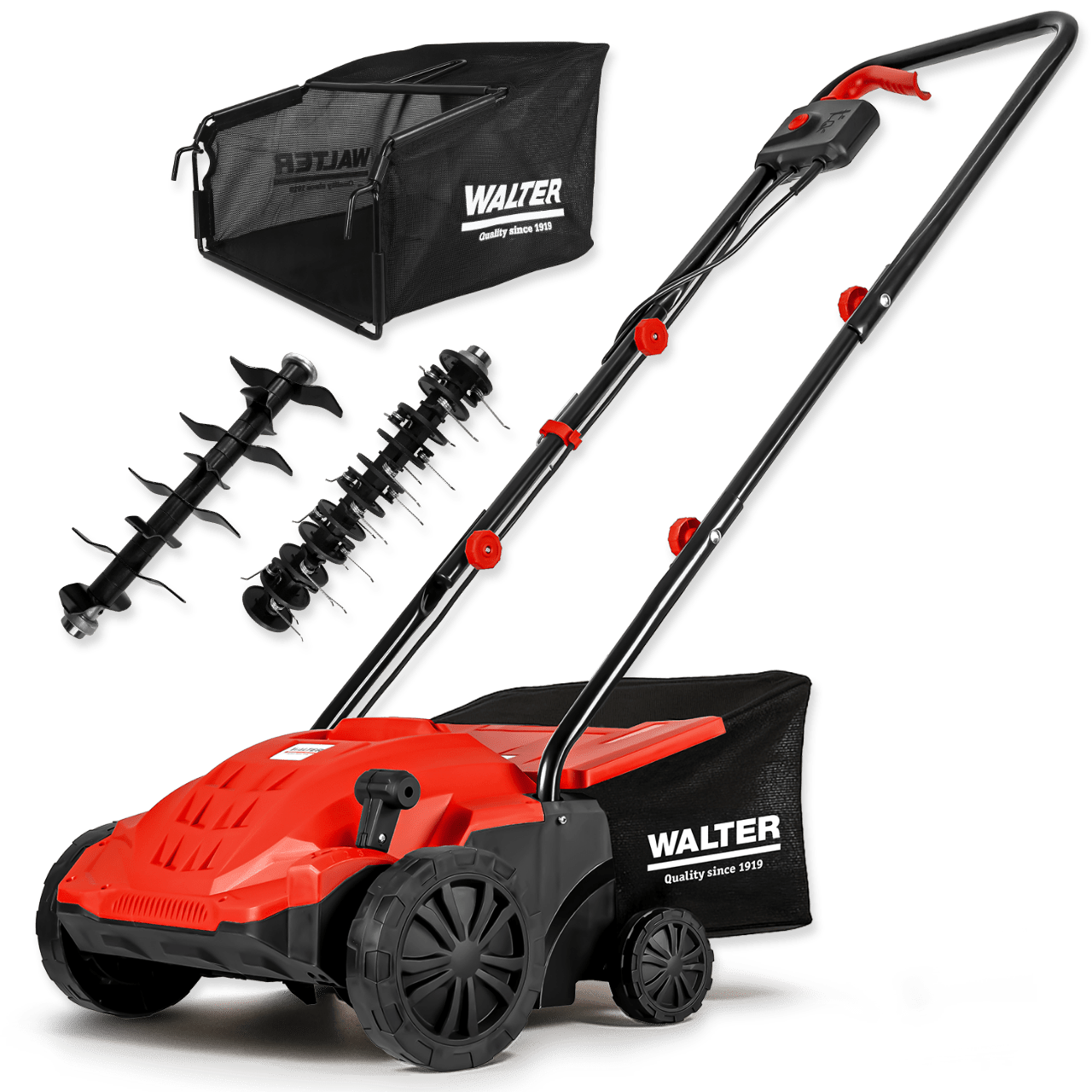
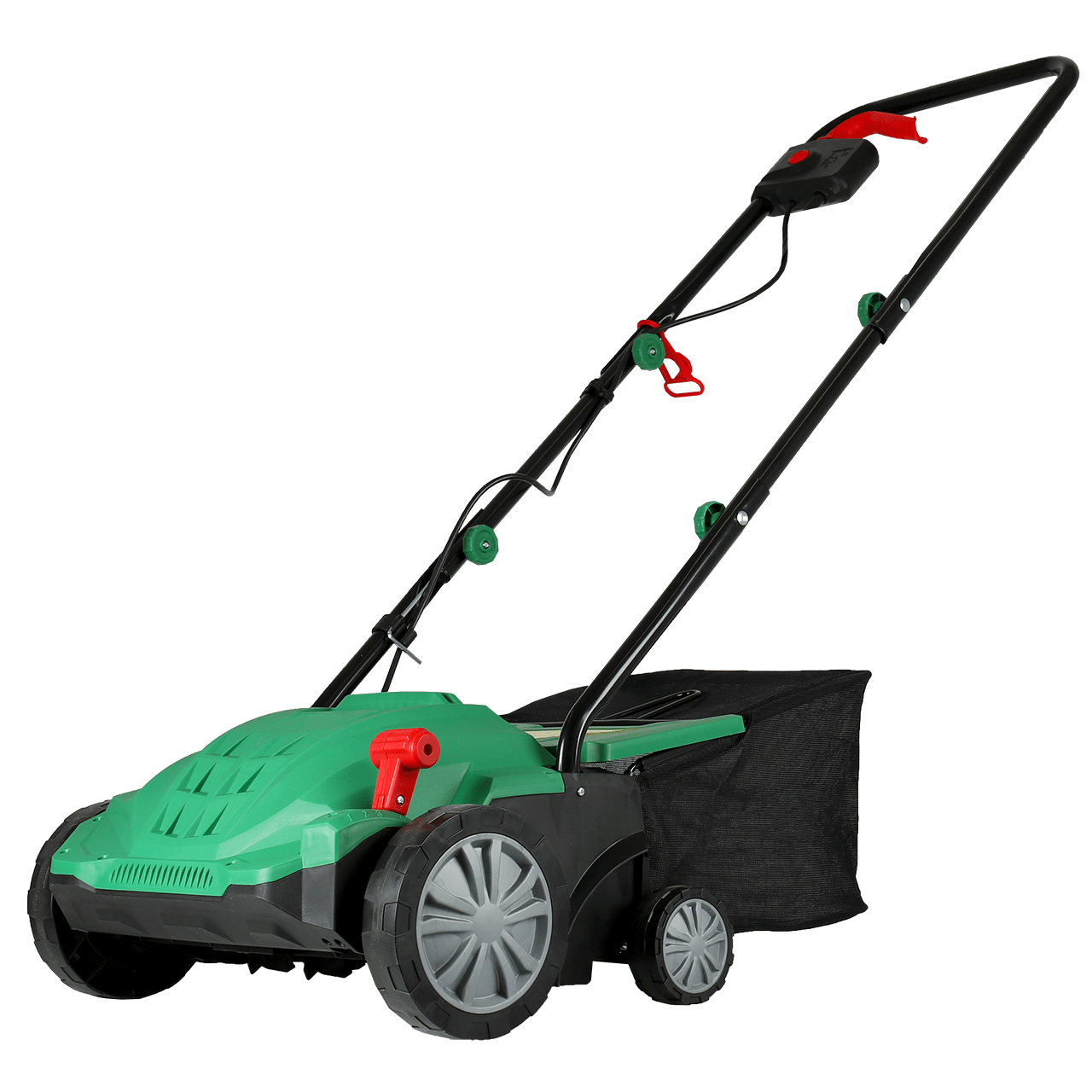
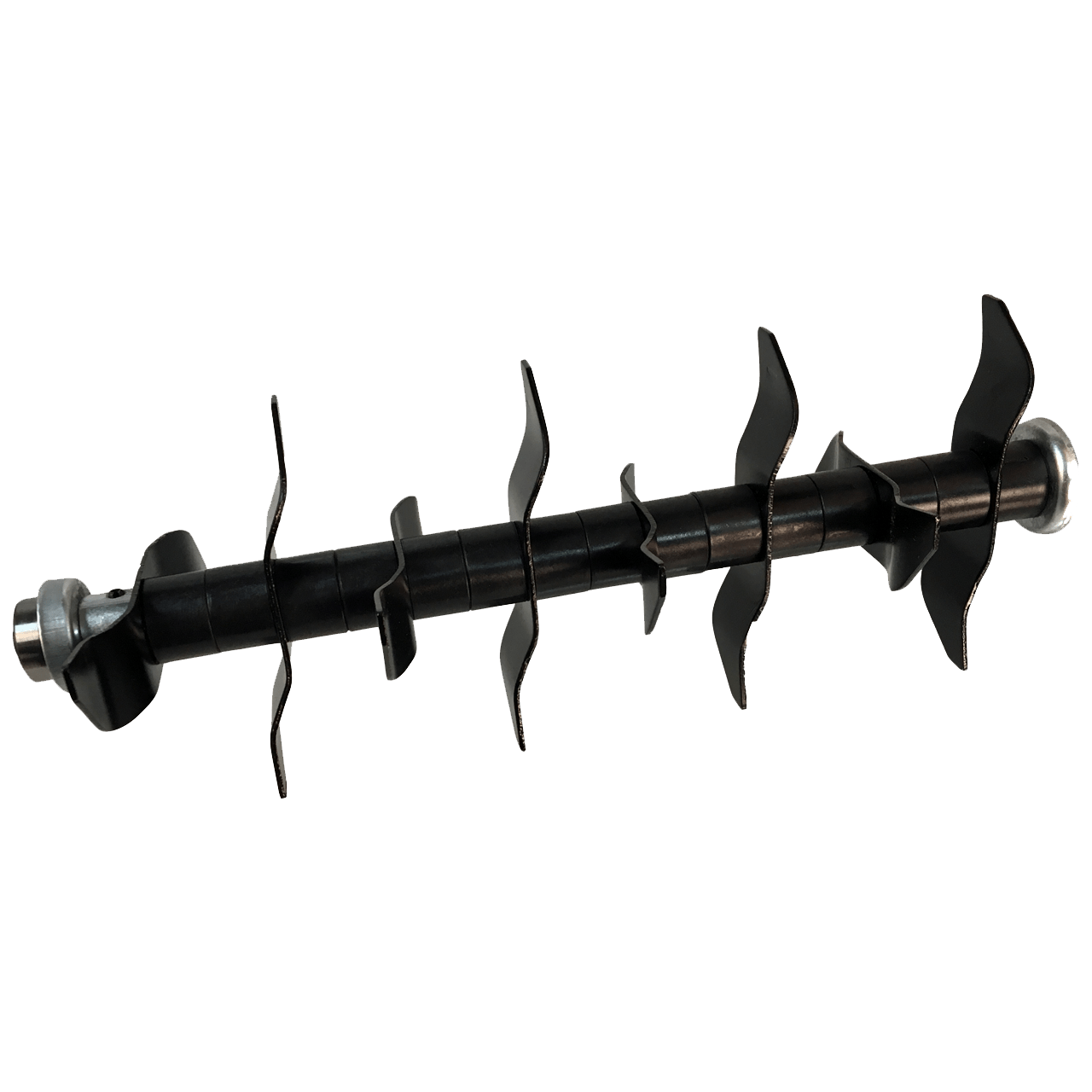
A scarifier looks similar to a lawnmower. With a series of metal tines or blades, the device cuts into the soil as it passes over the lawn. It lightly scratches the surface, thus pulling out moss and dead plant material.
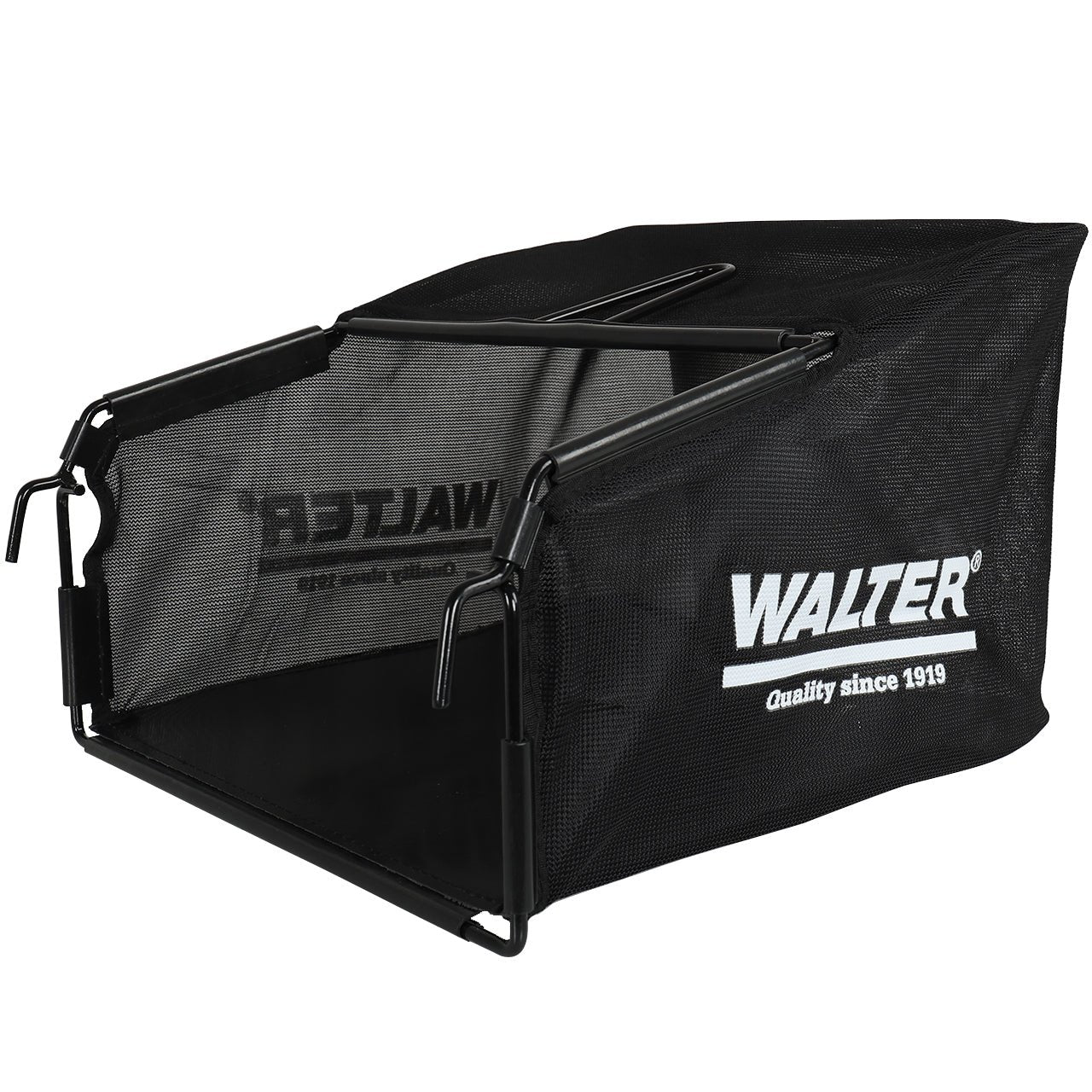
Ideally, the clippings are collected directly in a collection basket. If not, they must be gathered with a rake.
Things you've always wanted to know!
Why is scarifying important?
The top layer of the lawn ("turf") consists of grass roots, the lower parts of the grass blades, and the soil in which they are rooted. It is essential for the health and stability of the lawn. Over time, grass clippings, moss, and thatch (a layer of undecomposed or incompletely decomposed organic material such as dead roots and leaves) prevent proper air and nutrient supply. This weakens the grass, making it more susceptible to disease.
Scarifying removes moss, surface weed roots, and thatch that has formed in the turf. This allows the grass roots to receive more oxygen. The lawn can grow denser and becomes more resilient. Heavy, poorly aerated soils, which are prone to waterlogging, or very shady lawns are particularly susceptible to thatch buildup.
How deep can you scarify? Here's how to protect your lawn.
To optimally care for your lawn, it's crucial to choose the correct depth when scarifying. Scarifying too deeply can damage the grass roots and put excessive strain on the machine. Adjust the scarifier so that the blades only cut into the turf two to three millimeters deep.
spring or autumn
When is the right time to scarify?
The lawn should not be scarified more than twice a year. Spring, around March, is a particularly good time, as the grass begins to grow actively again. Spring fertilization can be carried out immediately afterward, so your lawn is ready for summer. This task can also be done in autumn, between September and November.

Tips:
- If the garden is used intensively in summer, then scarifying should be done in spring. The lawn should then be given a few weeks to regenerate.
- Do not scarify during hot summer months when the soil is too dry.
- The lawn should not be soaked before scarifying.
- Choose a time when the grass is actively growing. This will allow it to recover more quickly.
- There must be no risk of frost.
Step-by-step instructions
- Mow the lawn before scarifying. A height of approximately 2 to 4 centimeters, or the lowest setting of the lawnmower, is recommended.
- When using an electric lawn scarifier, a cutting depth of at least 4 millimeters should be set, depending on the condition of the lawn .
- Move purposefully across the area and do not linger too long in one spot, otherwise there is a risk of serious damage.
- The scarifier should be moved across the lawn in longitudinal and transverse paths , so that the pattern resembles a chessboard.
- Rake the remaining loosened thatch or moss pieces cleanly from the surface.
- After scarifying, the lawn will look very unkempt. Don't worry! Your grass will recover very quickly. You should immediately sow grass seed over any bare patches.
- After scarifying is a good time to fertilize, because the lawn grasses are now better supplied with nutrients and can grow more densely.
Tips:
- Do not scarify too deeply. Normally 5 mm is sufficient, but 1 cm or more is recommended for lawns in problematic condition.
- A newly laid lawn should not be scarified, as the grasses are not yet strongly rooted.
- If the lawn has developed bare patches or thin areas due to scarifying, you can reseed with grass seed.
Can I use scarifying to combat weeds?
Scarifying also removes surface weed roots from the lawn . This can impair the growth of ground-covering weeds like white clover and suppress them.
Unfortunately, scarifying does not help against weeds with a taproot, such as dandelions.
Lawn area crucial for equipment selection
Which scarifying machine is right for you depends not only on the cost, but above all on the size of the area to be treated.
- Small lawns can easily be treated with a hand-held scarifier. A so-called scarifying rake removes the thatch by "combing" through the area like a comb.
- For medium-sized lawns up to 400 m², we recommend a motorized scarifier. Adjusting the working depth ensures even treatment of the lawn. The rotating blade effectively removes moss and thatch. Especially on dry and heavy soils, the weight of the electric machine ensures a sufficiently deep cut into the lawn. If the electric scarifier's cable is not long enough to reach the entire area, an extension cord can be used.
- For park-like gardens, a petrol-powered scarifier should be used, as its high performance has been specifically designed for this purpose.
Matching accessories
What is ventilation?
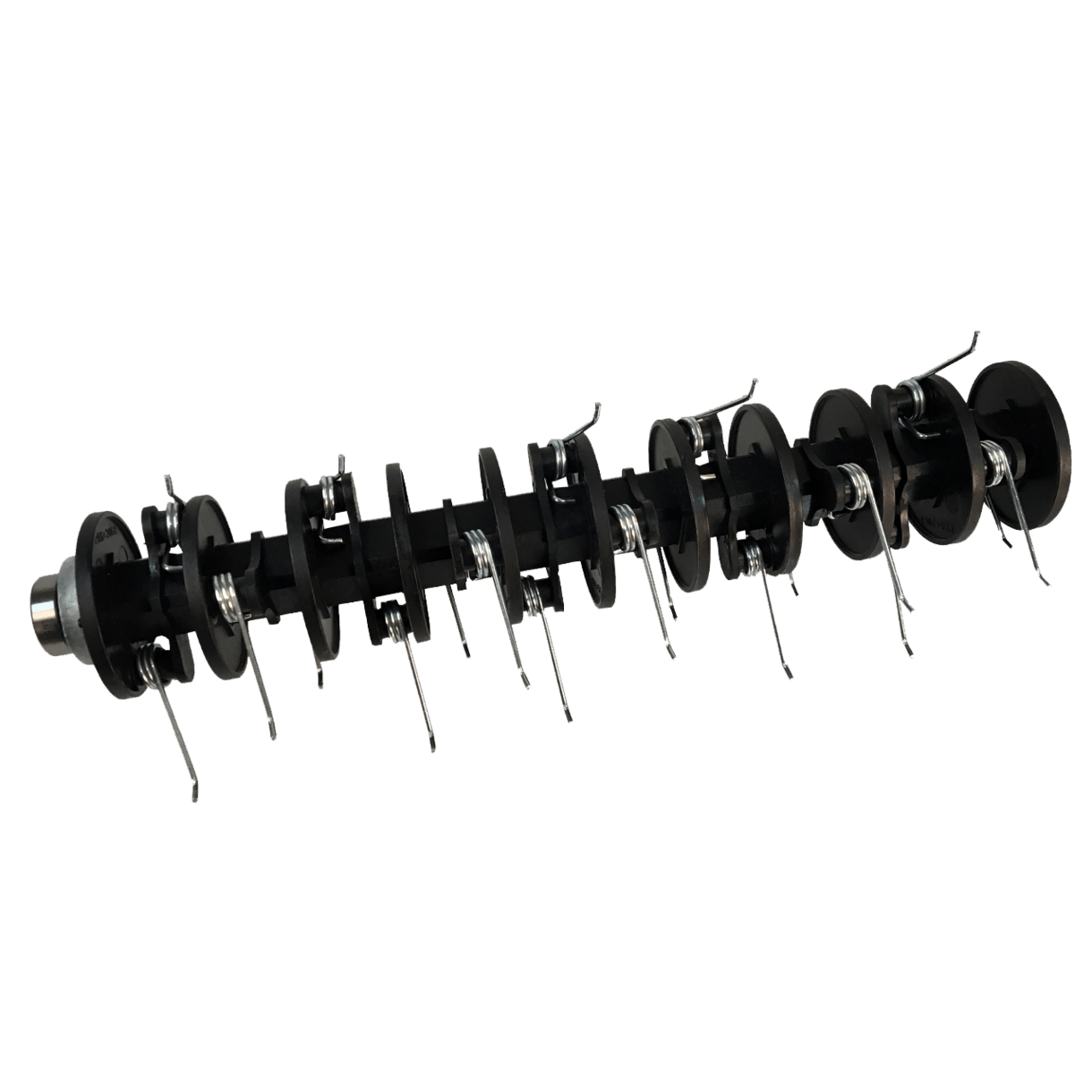
Aeration involves drilling tiny holes into the soil using a type of roller. This allows for better aeration of the lawn and can be done several times a year.
FAQ
Frequently Asked Questions
When is the best time to scarify the lawn?
The ideal time to scarify is when the soil warms up again in spring and the grass begins to grow. It is recommended not to scarify the lawn more than twice a year. Spring is therefore an ideal time because the grass begins to grow actively at this time. Immediately after scarifying, you can apply a spring fertilizer to prepare the lawn for summer. Alternatively, this maintenance can also be carried out in autumn, between September and November.
What should you do before scarifying?
Before scarifying, the lawn should be mowed to a cutting height of about two to three centimeters. Because the soil regenerates very quickly in late spring, the months of April and May are ideal for this lawn treatment.
Should you fertilize immediately after scarifying?
It is advisable to fertilize immediately after scarifying, especially if there is a significant layer of thatch. This way, the fertilizer reaches the soil more effectively after the soil has been loosened by scarifying.
What exactly is meant by scarifying?
Scarifying improves the air and nutrient supply to the lawn. This process removes dead plant matter, thatch, and moss from the turf, the top layer of the lawn. After this type of lawn care, the lawn can absorb air and water more effectively. A scarifier resembles a lawnmower and has a series of metal tines or blades. As it passes over the lawn, these tines cut lightly into the soil, removing moss and dead plant material by lightly scratching the surface. Ideally, the clippings are collected directly in a grass catcher. If not, they should be gathered with a rake.
Why does scarifying make sense?
The top layer of the lawn, known as the turf, consists of grass roots, the lower parts of the grass blades, and the soil in which they are rooted. It plays a crucial role in the health and stability of the lawn. Over time, clippings, moss, and thatch—a layer of undecomposed or partially decomposed organic material such as dead roots and leaves—can block the proper supply of air and nutrients, weakening the grass and making it more susceptible to disease. Scarifying helps remove moss, surface weed roots, and the thatch that has formed in the turf, allowing the grass roots to absorb more oxygen. This promotes denser lawn growth and makes the lawn more resilient to external factors. The risk of thatch buildup is particularly high on heavy, poorly aerated soils that are prone to waterlogging or on very shady lawns.