


Spring preparations for the garden
Spring is slowly arriving. Last winter has left its mark, so it's time to spruce up our beloved retreat. With our guide, spring preparations will be a breeze.
Step-by-step instructions
1. Clear paths and lawns of leaves and branches
First, we remove the remaining leaves and fallen branches. A garden shredder is ideal for disposing of the clippings in the garden. This organic garden waste is a wonderful addition to the compost.
WALTER leaf vacuums are particularly well-suited for this purpose. With our leaf vacuums, you also have a leaf blower – simply practical!
Fittingly,



2. Remove weeds:
It's best to start this quickly! Because the sun is shining longer every day, giving weeds the opportunity to multiply rapidly again.
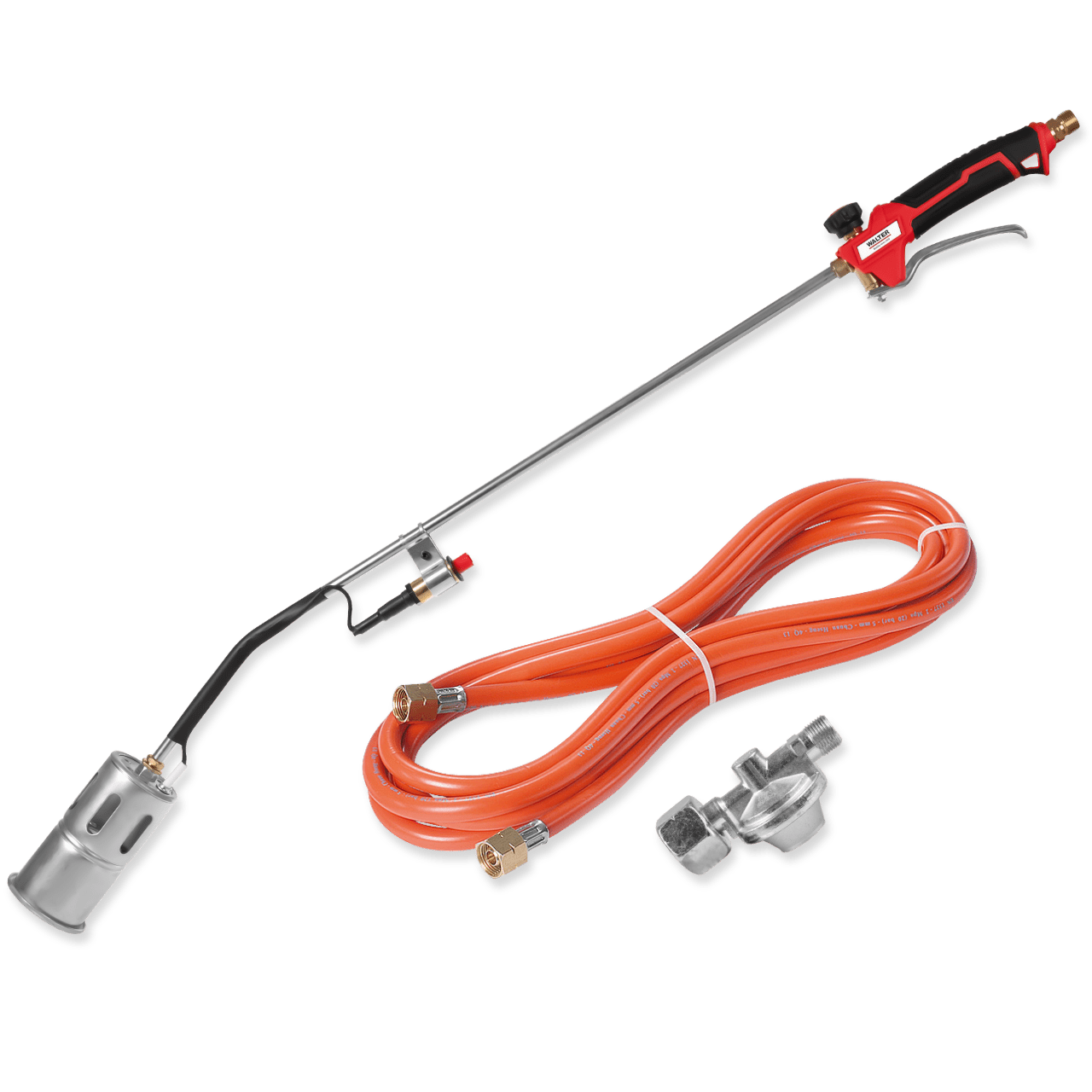
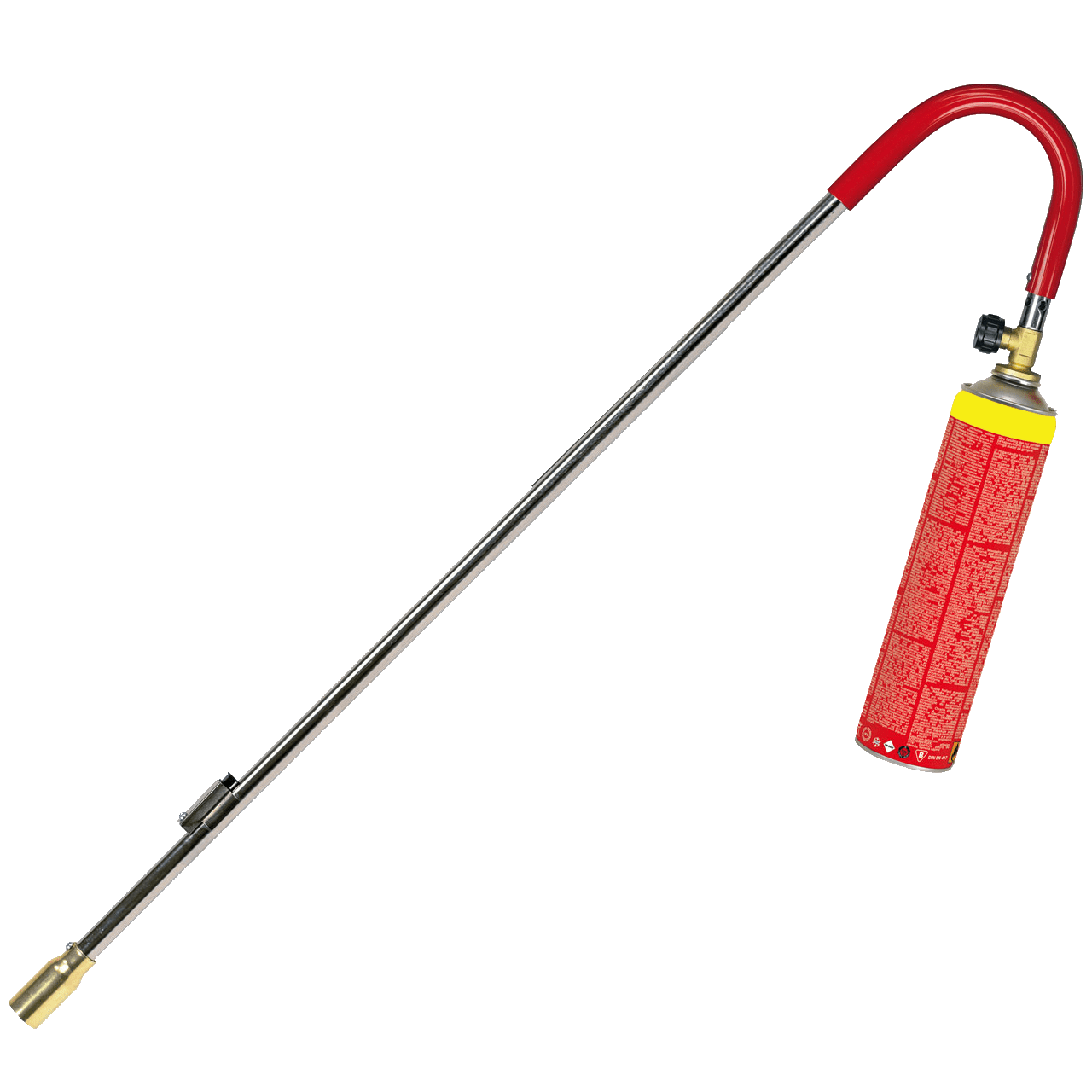
The best way to do this is with our WALTER weed killers . Weeds can thus be combatted entirely without the use of environmentally harmful chemicals.
Fittingly,

3. Prune trees
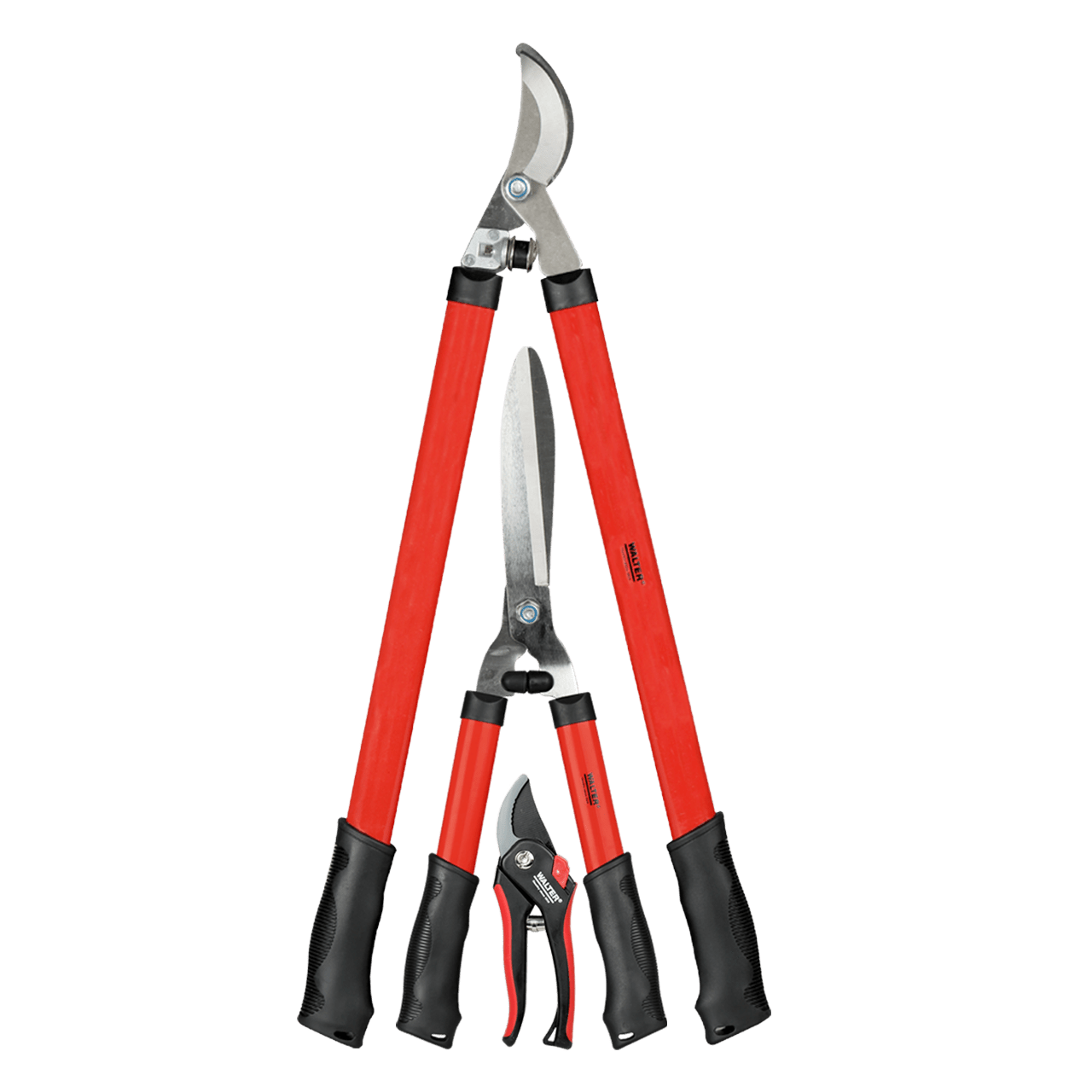
To ensure we always keep our beautiful trees and shrubs and don't one day have a much too large tree in the garden, it is important to regularly prune the plants.
What needs to be taken into account:
- On the one hand, healthy branches and shoots are pruned, but we also take care of cutting off dead branches. This ensures that new shoots can grow in that spot.
- Spring isn't the ideal time to prune all plants. Depending on the specific plant, it's worth checking whether late summer might be a better time. Other plants should be pruned before spring even begins.
- Additionally, it's important to note that pruning can have negative consequences. Ornamental shrubs, in particular, generally prefer natural growth.
Fittingly,





4. Trimming hedges
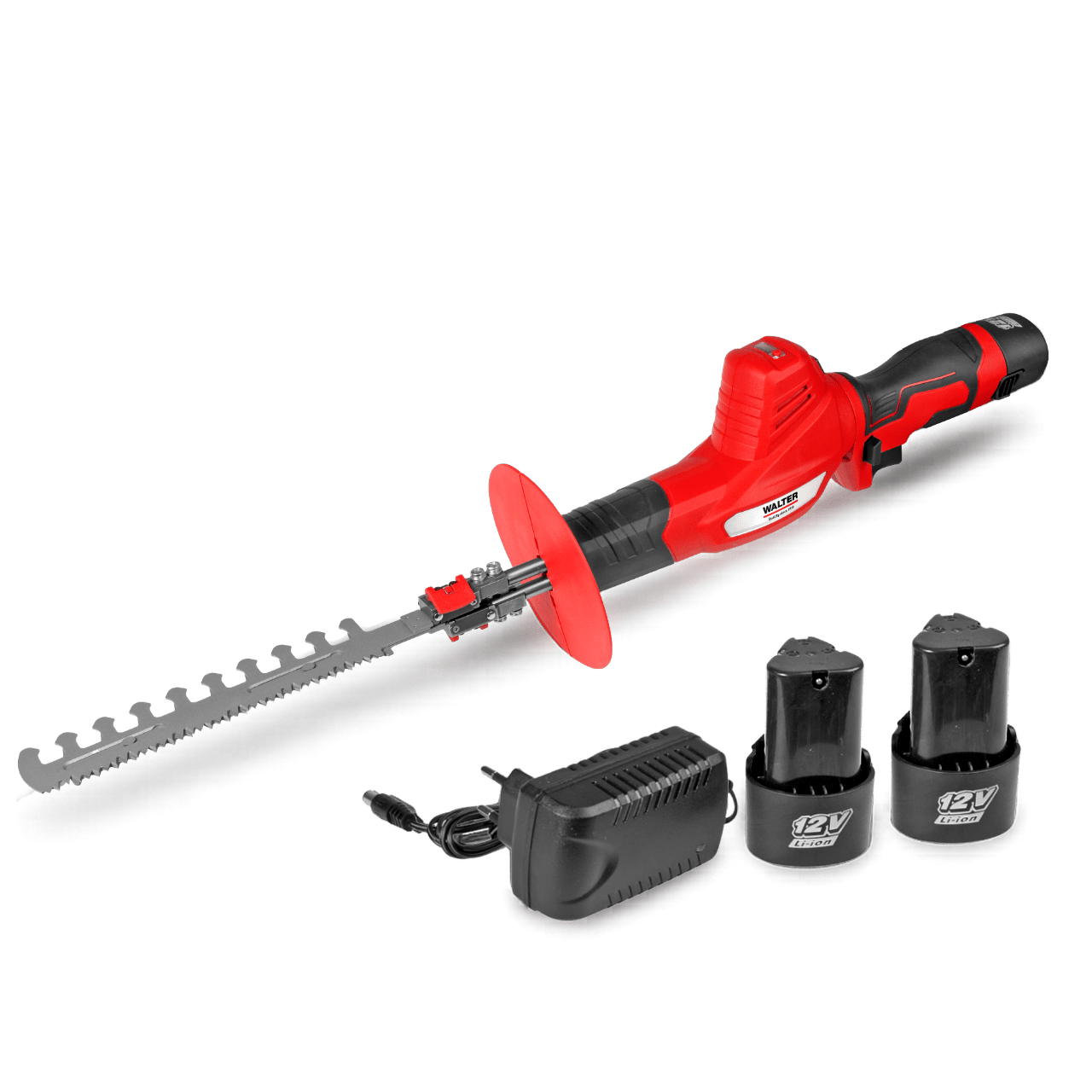
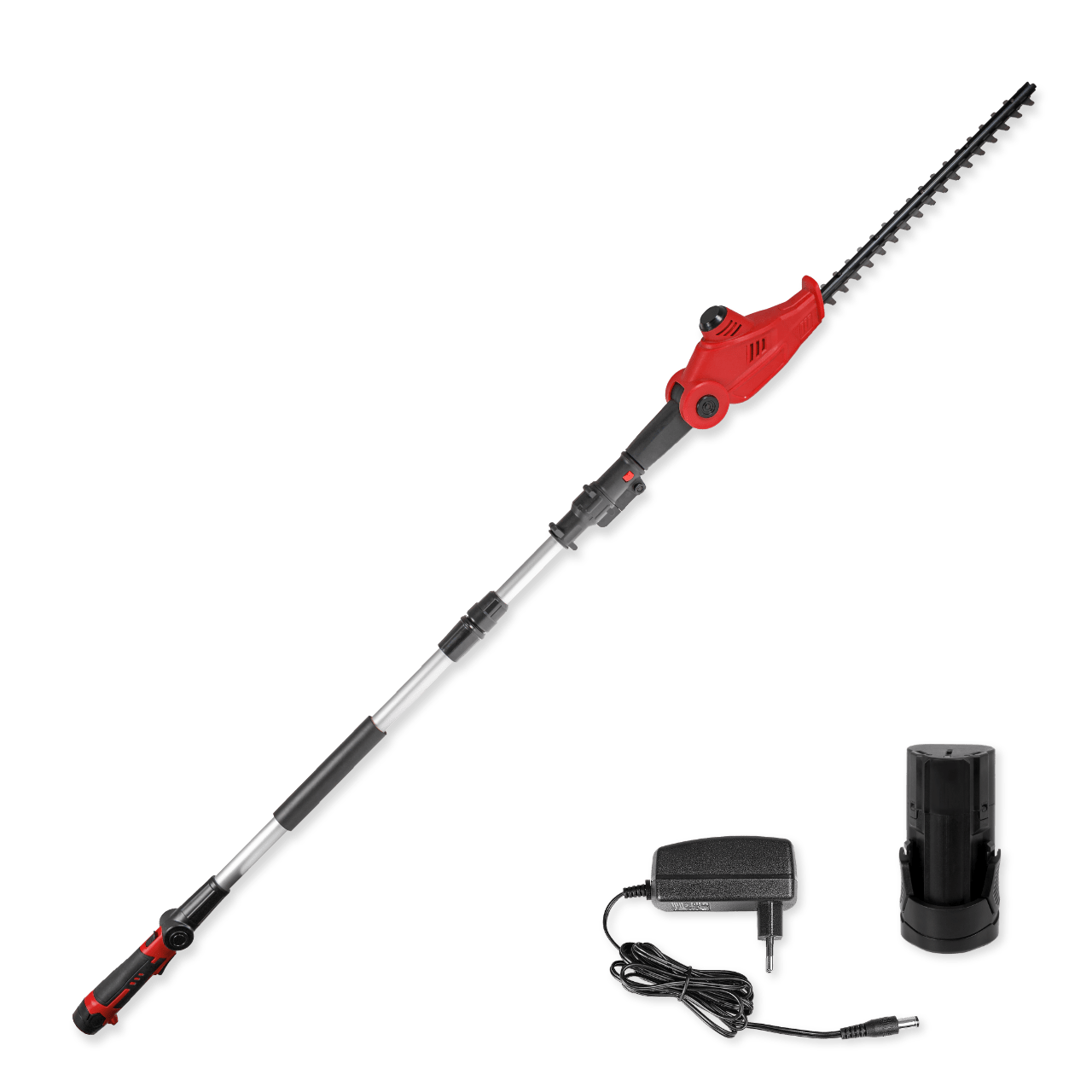
Hedges are trimmed at different times of the year, depending on the type. Deciduous hedges are cut back in winter or early spring, while coniferous hedges are trimmed once in February and again later in the summer. When trimming hedges, always make sure that the lower part is not narrower than the area above it; otherwise, the hedge would cast a shadow on itself.
Fittingly,



5. Loosen the soil
This point should also not be overlooked. Scarifying makes the lawn denser and more resilient overall. It also allows more oxygen to reach the plant roots. The ideal time to scarify your lawn is generally between April and September. However, if the lawn is heavily used during the summer months, then scarifying should be done in spring or late summer. This is because the lawn needs a few weeks to recover after scarifying.
We have created a detailed guide with tips & tricks for you here .
Fittingly,


6. Mowing the lawn and trimming the lawn edges
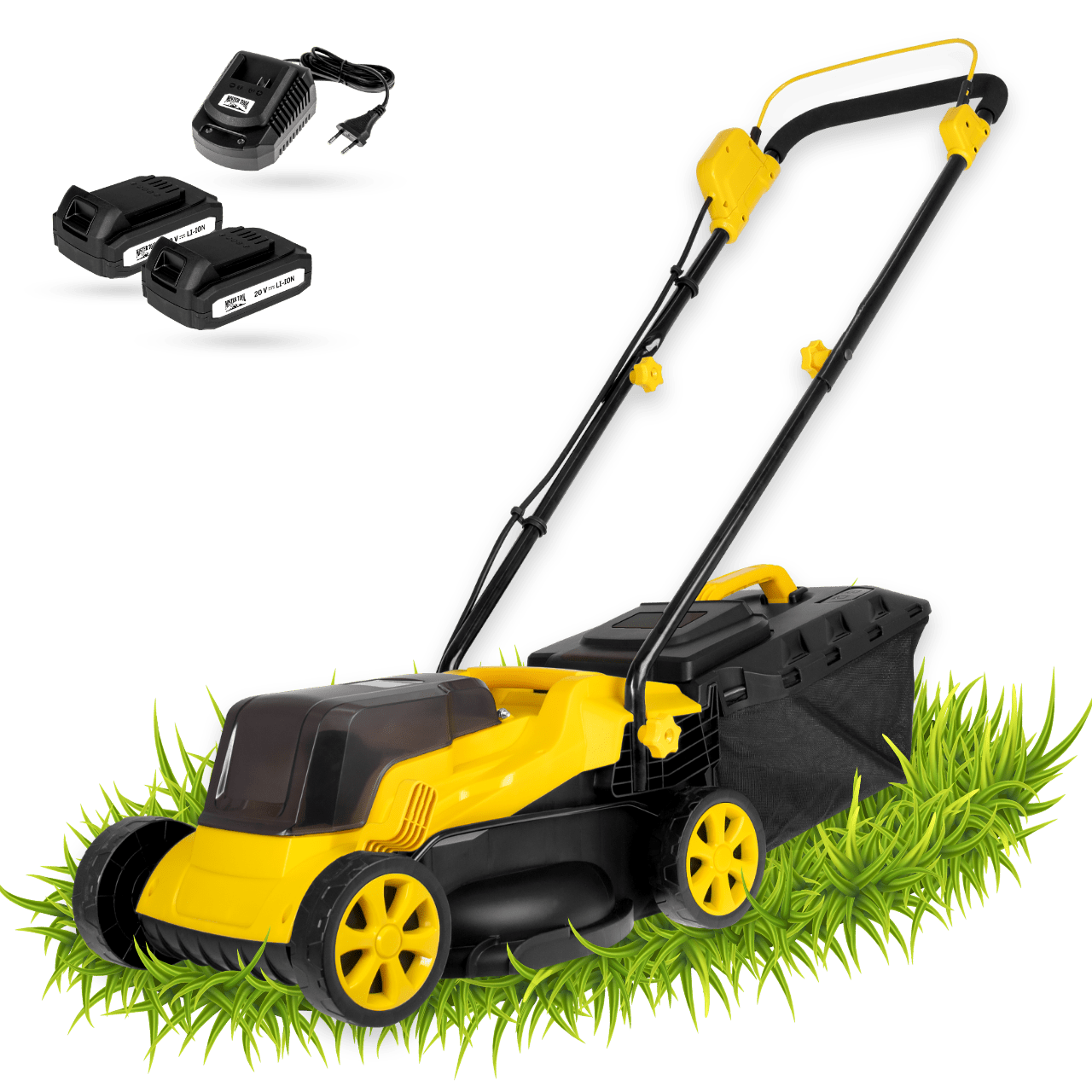
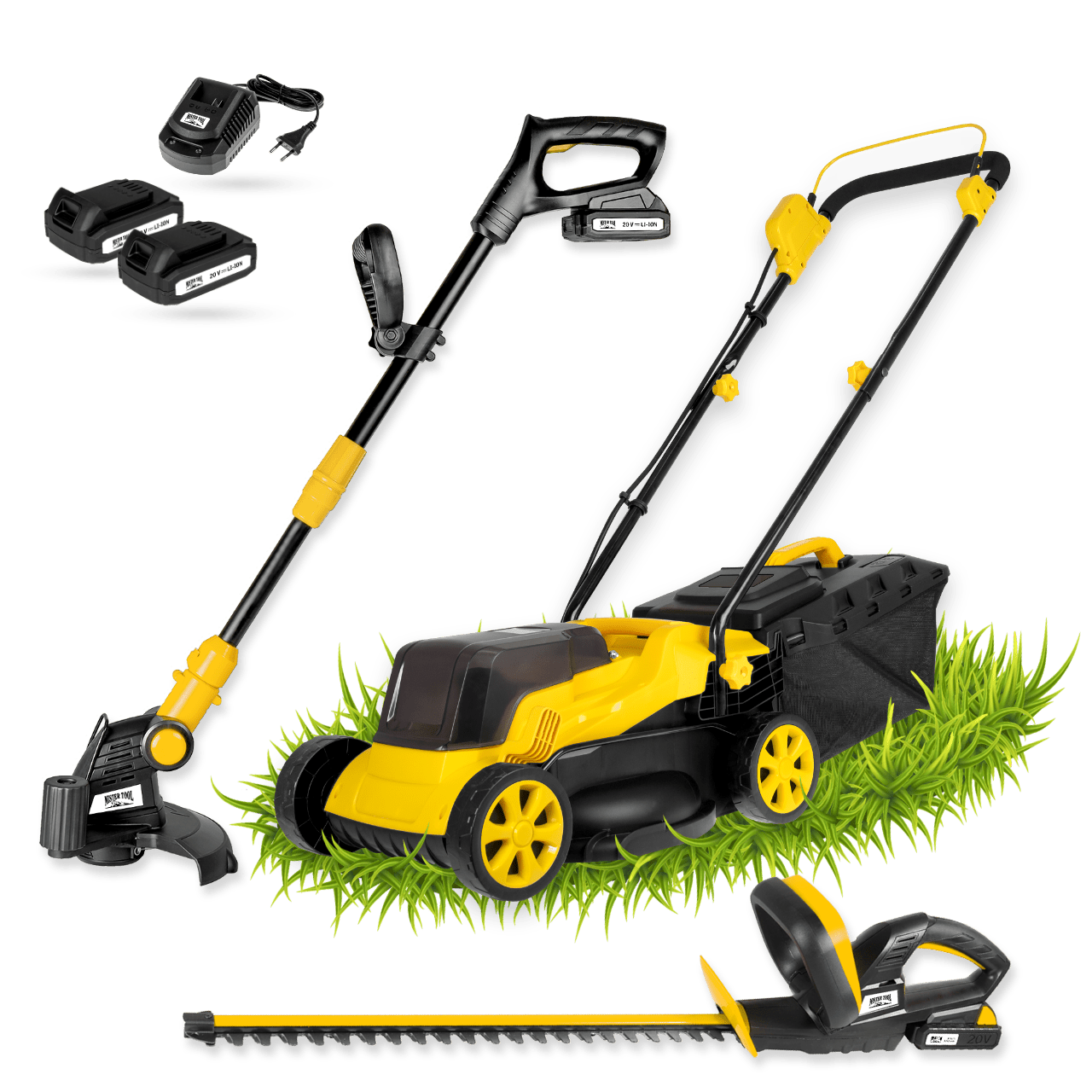
It's often made into a science in itself, but it's really not that difficult. If you follow a few basic guidelines, you'll achieve the desired result next time. The right timing, the appropriate length, and the right gardening tools are crucial.
After winter, the lawn should be trimmed once or twice a week following the first mowing in April. This also depends on climatic conditions and individual fertilization habits.
For ornamental lawns, a cutting length of approximately 2.5–4 cm is recommended, while for play lawns, it's roughly 3–4.5 cm. If the grass is too short, it will only grow with great effort, creating ideal conditions for weeds to grow past the weakened blades. Conversely, if the grass is too long, the individual blades lose strength and bend sideways.
Furthermore, care should be taken to ensure that the lawn edges are always neatly trimmed. Otherwise, grasses and roots will find their way into neatly maintained flowerbeds.
Fittingly,



7. Clean the terrace surfaces
After winter, patio surfaces are often covered in moss, paved terraces are coated with algae, and everything is generally covered in unwanted dirt. Our garden furniture also gets dirty over the winter, making pressure washers a simple and efficient solution for avoiding unnecessary cleaning efforts.
Warning: Use the pressure washer only from a distance and with appropriate pressure, otherwise coatings may come loose.
Fittingly,



Thanks to the WALTER checklist, nothing stands in the way of spring cleaning your own personal oasis of well-being, and you can once again enjoy a garden that shines in new splendor. Happy gardening!